
_is_Now_Vital_for_Australian_Businesses.webp&w=1920&q=75)
In today's interconnected digital landscape, the security of your business's online presence is paramount, especially for Australian businesses facing increasingly sophisticated cyber threats. The question is no longer if your website will be targeted, but when. Every day, countless businesses, both large and small, fall victim to data breaches, often stemming from compromised login credentials. This makes robust Website MFA security not just a best practice, but an absolute necessity.
Think about it: your website is often the front door to your business, housing sensitive customer data, proprietary information, and critical operational systems. A weak password or a simple phishing attack can grant malicious actors unrestricted access, leading to severe financial losses, reputational damage, and a complete erosion of customer trust. For Australian enterprises, understanding Why Secure Website Login (MFA) is Now Vital for Australian Businesses is crucial to safeguarding their future and their customers' privacy.
Embracing multi-factor authentication Australia is a powerful strategy to fortify your digital defenses. It adds crucial layers of verification beyond just a password, significantly complicating unauthorized access. In an era where online business security is constantly challenged, proactive measures like MFA are essential for maintaining operational integrity and ensuring continuous growth without the looming threat of a cyber incident.
READ ALSO: The Difference Between Website Design and Website Development
The Escalating Cyber Threat Landscape for Australian Businesses
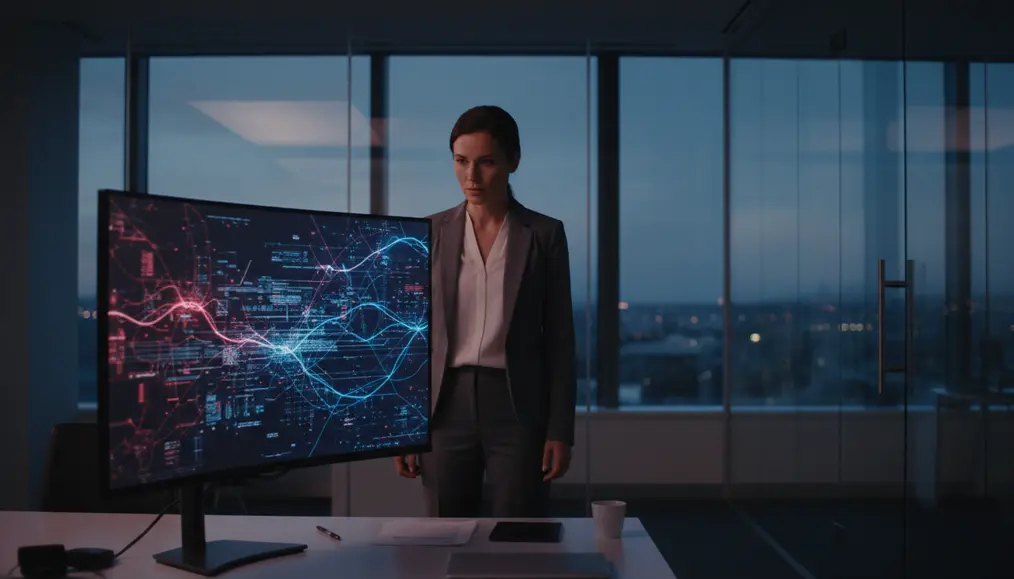
Australia has unfortunately become a prime target for cybercriminals. Recent reports from the Australian Cyber Security Centre (ACSC) highlight a significant increase in reported cyber incidents, impacting businesses across all sectors. From ransomware attacks to targeted phishing campaigns, the methods used by attackers are constantly evolving, making traditional password-only authentication dangerously inadequate. These incidents not only disrupt operations but can lead to substantial financial penalties and a major blow to public confidence, underscoring the urgency for stronger website security.
The rise in sophisticated attacks directly translates into higher cybersecurity risks Australia faces. Businesses, particularly small to medium-sized enterprises (SMEs), often lack the dedicated cybersecurity resources of larger corporations, making them particularly vulnerable. Investing in solutions like Website MFA security becomes a critical component of any comprehensive defense strategy, acting as a crucial barrier against unauthorized access and the potentially devastating consequences of a data breach. It's about building resilience in an increasingly hostile digital environment.
Understanding Multi-Factor Authentication (MFA)
.webp)
At its core, MFA for business is a security system that requires users to provide two or more verification factors to gain access to a website, application, or online service. Instead of just relying on "something you know" (your password), MFA combines this with "something you have" (like a smartphone or a hardware token) or "something you are" (like a fingerprint or facial scan). This multi-layered approach makes it significantly harder for attackers to compromise accounts, even if they manage to steal a password.
Common types of multi-factor authentication Australia businesses can implement include:
- SMS/Email Codes: A one-time password (OTP) sent to a registered mobile device or email address. While convenient, this method can be susceptible to SIM-swapping attacks.
- Authenticator Apps: Applications like Google Authenticator or Microsoft Authenticator generate time-based OTPs (TOTP) that are more secure than SMS codes.
- Hardware Security Keys: Physical devices (e.g., YubiKey) that generate or store cryptographic keys, offering a very high level of security.
- Biometrics: Fingerprint scans, facial recognition, or iris scans, often integrated into modern smartphones and laptops.
By combining these factors, businesses can dramatically reduce the chances of identity theft prevention and unauthorized access. It's a proactive step towards building a more resilient and secure digital presence, essential for any business operating online today.
Key Benefits of Website MFA security for Australian Businesses
Implementing Website MFA security offers a multitude of advantages that go beyond merely preventing unauthorized access. For Australian businesses, these benefits translate directly into enhanced operational resilience, increased customer trust, and robust compliance.
Enhanced Data Breach Prevention
The primary benefit of MFA is its ability to significantly enhance data breach prevention. Passwords, even strong ones, can be guessed, phished, or leaked in large-scale data dumps. When an attacker has a stolen password, MFA acts as a second line of defense. Without the second factor – whether it's a code from an authenticator app or a biometric scan – the stolen password is often useless. This significantly reduces the likelihood of successful breaches that could compromise sensitive customer information or internal data, thereby mitigating cyber risks effectively.
Compliance with Australian Cybersecurity Laws
Australia has stringent data protection regulations, most notably the Notifiable Data Breaches (NDB) scheme under the Privacy Act 1988. This scheme mandates that organizations must notify affected individuals and the Office of the Australian Information Commissioner (OAIC) of eligible data breaches. Failing to implement reasonable security measures, such as MFA, can be viewed unfavorably during investigations and lead to substantial penalties. By adopting secure login solutions like MFA, businesses demonstrate a commitment to fulfilling their obligations under Australian cybersecurity laws, which can also help avoid the significant cost of data breaches Australia frequently experiences. For more insights on legal compliance, you might find Why Your Business Needs a '.com.au' Domain Name to Rank Locally relevant for local presence and trust.
Building Customer Trust and Protecting Customer Data
In an age where data privacy concerns are at an all-time high, customers are increasingly conscious of how their personal information is protected. A business that visibly invests in robust security measures like secure business login through MFA sends a strong message of trustworthiness. This commitment to customer data protection can be a significant differentiator, enhancing your brand's reputation and fostering greater loyalty. Customers are more likely to engage with and transact with businesses they perceive as secure and responsible with their data.
Mitigating Cybersecurity Risks Australia Faces
As mentioned, Australia is a target. The proactive implementation of MFA for business directly addresses many of the common attack vectors, such as credential stuffing, brute-force attacks, and phishing. By reducing the success rate of these attacks, businesses can significantly lower their overall exposure to cybersecurity risks Australia faces. This also helps in addressing the broader concerns of data protection across the entire digital ecosystem. Understanding What is 'User Experience' and Why Should Your Business Care? can also highlight how seamless MFA integration contributes to overall user satisfaction while maintaining high security.
Addressing the Cost of Data Breaches Australia
The financial ramifications of a data breach can be catastrophic. Beyond immediate costs like forensic investigations, notification expenses, and legal fees, there are often long-term impacts such as reputational damage, customer churn, and potential regulatory fines. The Australian Notifiable Data Breaches Report consistently shows that the cost of remediation can run into hundreds of thousands, if not millions, of dollars for businesses. Implementing Website MFA security is a cost-effective preventative measure that pales in comparison to the potential expenses and losses associated with a successful breach. It's an investment in resilience that helps protect customer data and the bottom line.
MFA Implementation Guide: Practical Steps for Australian Businesses
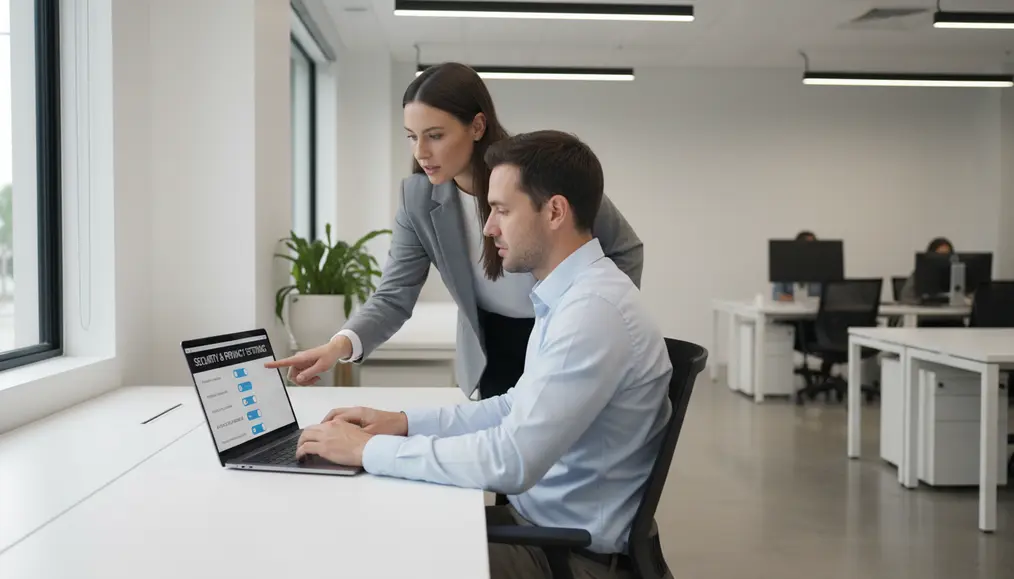
Successfully integrating MFA implementation guide strategies into your existing systems requires careful planning and execution. Here’s a practical approach for Australian businesses looking to fortify their website security:
1. Assess Your Current Security Posture
Before implementing any new security measure, conduct a thorough audit of your current login processes and identify all critical access points that require heightened security. This includes your website admin panel, customer portals, internal business applications, and employee accounts. Understanding where your vulnerabilities lie is the first step in formulating an effective strategy for secure login solutions.
2. Choose the Right MFA Solutions for Australian Companies
There isn't a one-size-fits-all solution. Consider your business size, industry, budget, and user base. For smaller businesses, software-based authenticator apps might be a good starting point, while larger enterprises might opt for hardware tokens or biometric solutions for higher-risk accounts. When choosing MFA solutions for Australian companies, prioritize options that offer ease of use for employees and customers while maintaining robust security. Providers that integrate smoothly with existing identity management systems are often preferred. Our team at Bornneo.Lab can provide insights on Avoiding the 'DIY Trap': When to Stop Building and Start Hiring for complex integrations like this.
3. Gradual Rollout and User Training
A phased implementation can minimize disruption. Start with critical administrative accounts, then extend to all employees, and finally to customer-facing logins if applicable. Crucially, provide clear, concise training and support to all users. Many security failures stem from a lack of user understanding or frustration with new systems. Explain the "why" behind MFA – how it protects them and the business – to encourage adoption. This is key to a smooth MFA implementation guide.
4. Monitor and Review Regularly
Once MFA is implemented, it's not a set-and-forget solution. Continuously monitor its effectiveness, review logs for any suspicious activity, and stay updated on emerging threats and best practices. Regular security audits and penetration testing can help identify any weaknesses. This ongoing vigilance is part of what makes MFA benefits for businesses truly impactful in the long run.
When is MFA for Small Businesses Australia Particularly Crucial?
For MFA for small businesses Australia, the need is often underestimated. Many small businesses believe they are too insignificant to be targeted, a misconception that cybercriminals exploit. However, small businesses are often seen as easier targets due to potentially weaker security infrastructure and fewer dedicated IT staff. If your small business:
- Handles any form of customer personal data (names, addresses, payment info).
- Has an e-commerce platform.
- Uses cloud-based services for data storage or operations.
- Has employees working remotely.
- Relies on intellectual property or sensitive internal documents.
...then implementing secure login solutions with MFA is not just recommended, but vital. The potential damage from a breach to a small business can be existential, often much harder to recover from than for a large corporation. This makes the commitment to data protection even more significant.
Addressing Common Concerns: Mandated MFA Requirements and User Experience
While specific mandated MFA requirements aren't universally applied across all industries in Australia yet, the trend points towards increased regulatory pressure. Certain sectors, especially those handling highly sensitive data (like finance and healthcare), already face stricter guidelines that implicitly or explicitly push for MFA adoption. Even without direct mandates, regulatory bodies like the OAIC expect businesses to implement "reasonable security measures," and in today's threat landscape, MFA is increasingly considered one such measure. Proactive adoption can position your business favorably and demonstrate due diligence.
Some businesses worry that MFA might complicate the user experience or add friction to the login process. However, modern MFA solutions are designed with user-friendliness in mind. Many offer "remember me for 30 days" options on trusted devices, or use push notifications that require just a tap. The minor inconvenience of an extra step pales in comparison to the peace of mind and enhanced online business security that MFA provides. Furthermore, a secure login experience, while slightly longer, ultimately builds more trust with users who appreciate the effort to protect customer data. For more on improving user journeys, consider Understanding Website Forms: How to Get More Inquiries from Visitors.
The Future of Secure Login Solutions for Australian Businesses
The landscape of secure login solutions is constantly evolving. Beyond traditional MFA, we are seeing the emergence of passwordless authentication, where biometrics or FIDO (Fast Identity Online) keys replace passwords entirely. Adaptive MFA, which adjusts the level of authentication based on risk factors like location, device, or behavior, is also gaining traction. For Australian businesses, staying informed about these advancements and continuously evaluating their security posture will be key to maintaining robust website security. Embracing these evolving technologies is part of a forward-thinking approach to understand MFA benefits and fully leverage them. Organizations like Bornneo.Lab are dedicated to helping businesses integrate these advanced systems to provide superior data protection.
Why choose Bornneo.Lab for Website MFA security?
- 🌟 Client-focused delivery with clear scope, timelines, and measurable outcomes aligned to your business goals.
- 🧩 End-to-end support from discovery and strategy to implementation, documentation, and handover.
- 📌 Practical solutions built to fit your existing stack and team workflow—no unnecessary complexity.
Conversion-Driven Design
We design digital experiences with a clear purpose. Every layout, interaction, and call-to-action is strategically crafted to guide users toward meaningful conversions—whether that means leads, sign-ups, or business inquiries.
Mobile-First & Responsive
With the majority of users accessing websites from mobile devices, we prioritize responsiveness from day one. Our solutions adapt seamlessly across screen sizes while maintaining performance and usability.
SEO & Performance Optimized
We build with technical SEO, site speed, and performance best practices in mind—helping your website earn visibility, trust, and sustainable organic growth.
Bornneo.Lab Client Testimonials
★★★★★ – Emily R.: Bornneo.Lab made our website incredibly secure and easy to manage. Their attention to detail in implementing Website MFA security was truly impressive, giving us great peace of mind.
★★★★★ – David L.: We needed robust data protection, and Bornneo.Lab delivered beyond expectations. The team was knowledgeable and guided us through every step of upgrading our login systems.
★★★★★ – Sarah K.: Our business now has enhanced online business security thanks to Bornneo.Lab. Their approach was very collaborative, ensuring the solutions fit our specific needs perfectly.
★★★★★ – Mark T.: The expertise Bornneo.Lab brought to our MFA implementation guide was invaluable. They clearly understood the nuances of cybersecurity risks Australia faces and provided tailored strategies.
★★★★★ – Olivia P.: Bornneo.Lab transformed our website's security without compromising user experience. We now confidently tell our customers about our strong secure login solutions. Excellent service!
READ ALSO: Preparing Your Website for Busy Periods and Holiday Sales
Frequently Asked Questions about Website MFA Security for Australian Businesses
Q1: Why is MFA considered more secure than just a strong password?
A1: A strong password is only "something you know." If an attacker steals or guesses it, they gain access. MFA adds at least one more factor, such as "something you have" (a phone) or "something you are" (a fingerprint). This means even if an attacker has your password, they can't log in without the second factor, significantly increasing online business security and reducing cybersecurity risks Australia.
Q2: Is MFA mandatory for all Australian businesses?
A2: While not universally mandated for all businesses, certain sectors (e.g., finance, government) have strict regulatory requirements that often necessitate MFA. Furthermore, under Australia's Notifiable Data Breaches scheme, businesses are expected to implement "reasonable security measures." In the current threat landscape, MFA is increasingly seen as a fundamental and reasonable measure for robust data protection. Proactive adoption helps businesses comply with Australian data laws and prevents potential issues, even without explicit mandated MFA requirements for every single entity.
Q3: What types of MFA are most suitable for small businesses in Australia?
A3: For MFA for small businesses Australia, authenticator apps (like Google Authenticator or Authy) are often a cost-effective and secure choice. They are easy to implement and manage, providing better security than SMS codes. Hardware security keys offer even stronger protection but might be a larger initial investment. The best choice depends on the specific risk profile and resources, but implementing any form of MFA is better than none to implement website MFA effectively.
Q4: How does MFA help with identity theft prevention?
A4: Identity theft prevention is a major benefit of MFA. By requiring multiple forms of verification, MFA makes it incredibly difficult for criminals to use stolen credentials (like passwords) to impersonate users. If a user's password is compromised, the attacker still needs the second factor, which is usually tied to a physical device or a unique biometric characteristic that the attacker does not possess. This significantly hampers their ability to gain unauthorized access and steal personal information.
Q5: Will implementing MFA negatively impact user experience on my website?
A5: Modern secure login solutions are designed to minimize friction while maximizing security. While it adds an extra step, many MFA methods are quick and user-friendly (e.g., a push notification approval or a quick code entry). The slight increase in login time is a small price to pay for significantly enhanced Website MFA security and the peace of mind it provides for both your business and your users. Many users now expect and appreciate this extra layer of security, as it indicates your commitment to protect customer data.
Q6: What is the average cost of data breaches Australia experiences, and how can MFA help?
A6: The average cost of data breaches Australia experiences can be substantial, often running into hundreds of thousands or even millions of dollars, depending on the scale and nature of the breach. This includes direct costs like investigations, legal fees, notification expenses, and fines, as well as indirect costs like reputational damage and customer churn. MFA significantly reduces the likelihood of a successful breach stemming from compromised credentials, acting as a highly effective preventative measure that is far more cost-effective than dealing with the aftermath of a major security incident.
Contact Us
Ready to move forward with clarity and confidence? Get direct insights and tailored recommendations by speaking with our team.
Disclaimer: The information provided in this article is for general informational purposes only and does not constitute professional advice. While Bornneo.Lab strives to provide accurate and up-to-date content, readers should consult with qualified professionals for specific advice tailored to their individual circumstances. Bornneo.Lab is not liable for any actions taken or not taken based on the information presented herein.