

As the holiday season approaches or specific peak sales events loom on the horizon, many businesses find themselves scrambling to get their online presence ready. The thrill of increased customer interest and potential sales can quickly turn into frustration if your website isn't prepared to handle the surge. Imagine missing out on valuable revenue because your site crashed under pressure or offered a sluggish user experience—a nightmare scenario for any ambitious online venture.
This isn't just about throwing up a few new product images; it requires a comprehensive strategy focused on technical robustness, seamless user experience, and proactive planning. Engaging in thorough website seasonal preparation is not merely an option, but a critical investment in your business's success during these crucial times. Failing to plan means planning to fail, especially when millions of shoppers are online, eager to spend.
At Bornneo.Lab, we understand these challenges intimately. Our goal is to ensure your digital storefront is not just operational, but optimally performing, scalable, and secure, guaranteeing you can confidently capitalize on every opportunity presented by busy periods and holiday sales. Let's delve into the essential steps to fortify your website for success.
READ ALSO: Why a Professional Website Email Makes Your Business Look More Legitimate
The Critical Need for Website Seasonal Preparation

The digital landscape transforms dramatically during peak seasons. Customer expectations soar, competition intensifies, and your website becomes the frontline of your business. Without adequate website seasonal preparation, even a small surge in visitors can lead to slow loading times, broken pages, or even complete outages. This not only directly impacts your sales but also damages your brand's reputation and customer trust. Businesses aiming for sustainable growth must prioritize e-commerce readiness as a core component of their overall holiday sales strategy.
Preparing your website involves far more than just updating product listings. It encompasses a holistic approach to ensure every aspect of your site, from backend infrastructure to frontend user experience, is resilient and optimized. Overlooking these crucial steps can mean lost revenue, frustrated customers, and a scramble to fix issues in the middle of your busiest sales period. Proactive planning is the key to converting potential challenges into significant opportunities for growth.
Key Pillars of Website Performance Optimization for Peak Periods

When millions of users are simultaneously browsing and buying, your website needs to be a high-performance machine. Website performance optimization is paramount to handle the influx of users during busy periods without a hitch. This involves fine-tuning various aspects of your site to ensure speed, stability, and seamless functionality.
Enhancing Site Speed and Responsiveness
Slow websites are conversion killers. During peak traffic, every millisecond counts. Customers have little patience for pages that lag, often abandoning carts or even entire shopping sessions if a site is too slow. Therefore, focusing on site speed is non-negotiable for holiday readiness. This involves several critical steps:
- Image Optimization: Large, uncompressed images are a common culprit for slow loading times. Implement techniques like lazy loading, using modern image formats (e.g., WebP), and compressing images without sacrificing quality.
- Caching: Leverage browser caching and server-side caching to store frequently accessed data, reducing the need to re-render pages for returning visitors.
- Content Delivery Networks (CDNs): CDNs distribute your website's content across multiple servers worldwide. When a user visits your site, content is delivered from the server geographically closest to them, drastically reducing latency.
- Code Minification: Minifying CSS, JavaScript, and HTML files by removing unnecessary characters (like white spaces and comments) can reduce file sizes and speed up parsing.
- Mobile-First Design: With a significant portion of holiday shopping occurring on mobile devices, ensuring your site is responsive and loads quickly on smaller screens is vital. Read more about Why Your Website Needs to Load Fast on Australian Mobile Networks to understand the local context.
Ensuring Online Store Scalability and Stability
Imagine your biggest sales day, only to have your server buckle under the pressure. This is where online store scalability becomes critical. Your hosting environment must be robust enough to handle unexpected surges in visitor numbers without compromising performance. Key considerations include:
- Robust Hosting: Invest in a hosting plan that offers flexible scaling options. Cloud hosting solutions are often ideal, as they can dynamically allocate resources based on demand, preventing downtime during peak traffic.
- Server Capacity Planning: Conduct a thorough assessment of your current server's capacity and anticipate potential increases in traffic. This process, known as website capacity planning, helps you provision resources adequately before the rush.
- Load Balancing: For extremely high-traffic sites, load balancers distribute incoming network traffic across multiple servers, ensuring no single server becomes a bottleneck.
- Database Optimization: Optimize your database queries and structure to ensure quick retrieval of product information and order processing, especially crucial when handling a large volume of transactions.
- Stress Testing: Before the busy period, perform rigorous website stress testing to simulate high traffic loads. This helps identify and fix potential weak points in your infrastructure before they cause real problems and ensures ensuring website stability during sales events.
Strategies for Effective Traffic Spikes Management
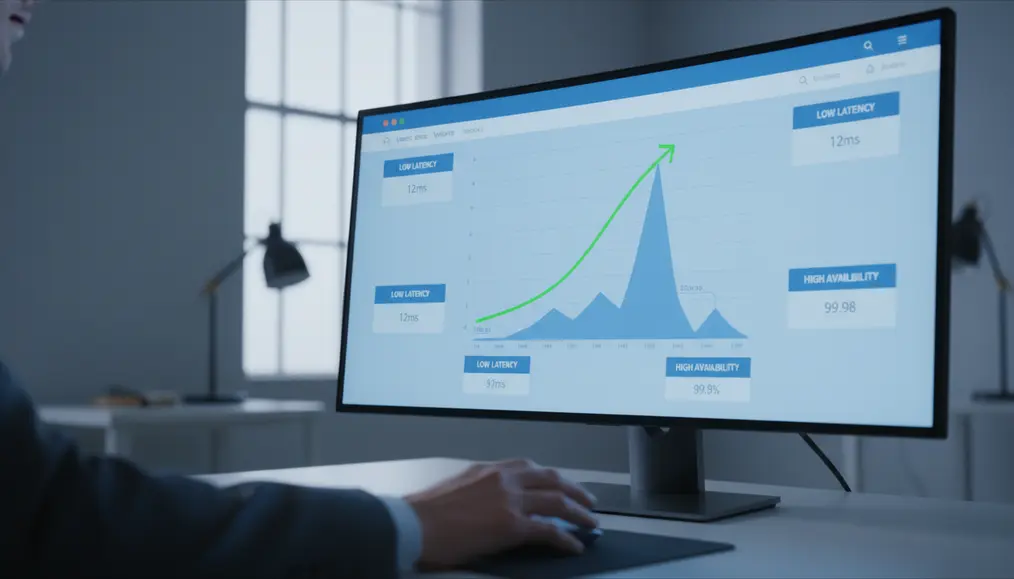
Preparing for traffic spikes management is not just about having a fast website; it's about having a resilient one that can absorb and process an extraordinary volume of user activity smoothly. This requires a combination of proactive audits and robust security measures.
Proactive Website Readiness Audits
A comprehensive pre-holiday website audit is your first line of defense. This isn't a quick once-over; it's an in-depth review of every facet of your site to ensure website readiness. This includes:
- Performance Testing: Beyond basic speed checks, perform synthetic and real-user monitoring to identify performance bottlenecks across different devices and network conditions. Tools like Google PageSpeed Insights (developers.google.com/speed/pagespeed/insights/) can provide valuable insights.
- Functionality Testing: Every form, button, and link should be thoroughly tested, especially the checkout process. A broken "Add to Cart" button or a malfunctioning payment gateway can cost you dearly.
- Content Review: Update product information, pricing, shipping details, and return policies. Ensure all promotional banners and landing pages are configured correctly for holiday sales. This also ties into the art of The Secret to Writing Headlines That Keep People on Your Website.
- Inventory Management Integration: Ensure your website's inventory system is accurately integrated and can handle rapid stock changes without displaying out-of-stock items as available, or vice-versa.
Implementing Robust Security Measures
High traffic periods also attract more malicious actors. Protecting your website and customer data is paramount. A security breach during a busy period can devastate your brand and lead to significant financial and legal repercussions. Key security measures include:
- DDoS Protection: Distributed Denial of Service (DDoS) attacks can overwhelm your server with traffic, making your site inaccessible. Implement DDoS protection services to filter malicious traffic.
- SSL Certificates: Ensure your website has an up-to-date SSL certificate to encrypt data transmitted between your server and users, especially for payment information.
- Regular Backups: Schedule frequent, automated backups of your entire website and database. In case of an unforeseen issue, you can quickly restore your site.
- Security Audits: Conduct security audits to identify vulnerabilities and patch them before they can be exploited.
Optimizing User Experience for Peak Seasons to Drive Conversions

Even with a fast and stable site, a poor user experience can deter shoppers. During busy periods, shoppers are often in a hurry and have specific goals. Optimizing the user experience for peak seasons is crucial to maximizing your conversion rate and ensuring customers complete their purchases. As highlighted in What is 'User Experience' and Why Should Your Business Care?, a great UX is foundational.
Streamlining the Customer Journey
Simplify every step of the purchasing process. A convoluted journey leads to cart abandonment, especially during the hectic holiday rush. Consider:
- Clear Navigation: Make it effortless for users to find what they're looking for with intuitive menus, prominent search bars, and well-organized categories.
- Simplified Checkout: Reduce the number of steps in your checkout process. Offer guest checkout options, integrate popular payment methods, and minimize form fields. For more on this, consider exploring Understanding Website Forms: How to Get More Inquiries from Visitors.
- Compelling Product Pages: High-quality images, detailed descriptions, customer reviews, and clear calls-to-action are essential. Ensure pricing and availability are clearly displayed.
Personalization and Dynamic Content
Tailoring the shopping experience can significantly enhance engagement and drive sales. During high traffic periods, leveraging data to personalize content can make a big difference:
- Personalized Recommendations: Use AI-powered recommendations based on browsing history, past purchases, or popular items to suggest relevant products.
- Dynamic Promotions: Display targeted offers or discounts to specific customer segments or based on their interaction with your site.
- Clear Communication: Provide clear communication about shipping times, delivery estimates, and return policies, which are often key concerns for holiday shoppers.
A/B Testing for Improved Conversion Rate
Continuous optimization is vital. Before and during busy periods, conduct A/B tests on key elements of your website to identify what resonates best with your audience. This could include:
- Call-to-Action Buttons: Test different wording, colors, and placements for "Add to Cart," "Buy Now," or "Shop Now" buttons.
- Product Page Layouts: Experiment with different arrangements of product images, descriptions, and reviews.
- Promotional Banners: Test various headlines and visuals for your holiday sales banners to see which ones generate the most clicks and conversions. The goal is to improve website conversion for holiday shoppers and ultimately boost holiday sales online. Driving traffic through How to Use Social Media to Drive More Visitors to Your Website is only half the battle; converting them is the other.
Post-Peak Analysis and Continuous Improvement
The work doesn't stop once the busy period is over. A crucial part of optimizing website for high traffic periods is learning from each cycle. Conducting a thorough post-holiday website review is essential for refining your strategies and improving future performance. This analysis allows you to understand what worked, what didn't, and where improvements can be made for the next peak season.
Conducting a Post-Holiday Website Review
After the dust settles, take the time to meticulously analyze your website's performance data. Key areas to review include:
- Traffic Analytics: Examine traffic sources, peak times, bounce rates, and user flow. Identify pages with high exit rates or unexpected drops in engagement.
- Sales and Conversion Data: Analyze sales figures, average order value, and conversion rates across different product categories, promotions, and devices. This helps assess the effectiveness of your holiday sales strategy.
- Performance Metrics: Review server load, page loading times, and uptime reports. Were there any periods of slowdown or downtime? Where were the bottlenecks?
- Customer Feedback: Gather feedback through surveys, reviews, and customer service interactions. What were common complaints or suggestions?
- Security Incident Review: Check for any security incidents or attempts, and learn how to further strengthen your defenses.
Based on these insights, create an action plan for continuous improvement. This iterative process is fundamental to mastering website seasonal preparation and ensuring your digital platform grows stronger with each cycle. It's about building a robust foundation that can consistently handle high website traffic and deliver exceptional results.
Common Mistakes in Holiday Readiness to Avoid
While the focus is often on what to do, understanding what not to do can be equally critical when gearing up for busy periods. Avoiding common pitfalls can save considerable time, money, and reputation damage during these high-stakes times. Many businesses, especially those attempting a Avoiding the 'DIY Trap': When to Stop Building and Start Hiring approach for complex tasks, fall victim to these errors.
- Ignoring Performance Testing: One of the biggest mistakes is assuming your site will just handle increased traffic because it works fine on an average day. Without rigorous website stress testing and performance audits, you're flying blind.
- Neglecting Mobile Users: With a growing percentage of purchases made on smartphones, having a slow or poorly optimized mobile experience is a critical failure. Many businesses still treat mobile as an afterthought.
- Last-Minute Changes: Making significant changes to your website's code or design right before a major sales event is a recipe for disaster. Such changes introduce risks of bugs and downtime when stability is most needed.
- Underestimating Customer Support Needs: An influx of orders often means an influx of customer inquiries, shipping questions, and return requests. Ensure your customer support infrastructure and team are adequately prepared.
- Poor Inventory Management Integration: Displaying out-of-stock items as available or vice-versa leads to frustrated customers and cancelled orders. Ensure real-time, accurate inventory synchronization with your website.
- Overlooking Security Updates: Neglecting to update plugins, themes, and core software leaves your site vulnerable to attacks, which can be more frequent during busy periods.
- Not Having a Rollback Plan: In the event of an issue, having a quick and effective rollback plan to a stable version of your site is crucial to minimize downtime.
Your E-commerce Website Checklist for Busy Seasons
To ensure you've covered all your bases, here's a comprehensive e-commerce website checklist for busy seasons to guide your website seasonal preparation:
- Infrastructure & Hosting:
- ✓ Confirm your hosting plan can scale for increased traffic (e.g., cloud hosting).
- ✓ Conduct website capacity planning and resource allocation.
- ✓ Verify load balancing is configured (if applicable).
- ✓ Ensure a CDN is active and configured correctly.
- Performance & Speed:
- ✓ Optimize all images for web (compression, lazy loading, WebP format).
- ✓ Implement browser and server-side caching.
- ✓ Minify CSS, JavaScript, and HTML files.
- ✓ Perform full site website stress testing to identify bottlenecks.
- ✓ Ensure mobile responsiveness and fast mobile load times.
- Security:
- ✓ Update all website software, plugins, and themes.
- ✓ Verify SSL certificate is valid and active across all pages.
- ✓ Implement DDoS protection.
- ✓ Set up regular, automated full site backups.
- ✓ Conduct a security audit.
- User Experience (UX) & Conversion:
- ✓ Simplify the checkout process and offer guest checkout.
- ✓ Ensure navigation is intuitive and search functionality is robust.
- ✓ Optimize product pages with high-quality images, clear descriptions, and reviews.
- ✓ Test all forms, links, and calls-to-action for functionality.
- ✓ Review and optimize your conversion rate strategy.
- ✓ Check for broken links or 404 errors.
- Content & Promotions:
- ✓ Update all product information, pricing, and shipping details.
- ✓ Prepare holiday-specific landing pages and banners.
- ✓ Ensure all promotional codes and discounts are tested and active.
- ✓ Review return policies and FAQs for clarity.
- ✓ Synchronize website with real-time inventory management system.
- Analytics & Monitoring:
- ✓ Verify analytics tracking (Google Analytics, etc.) is correctly installed and monitoring.
- ✓ Set up alerts for website downtime or performance issues.
- ✓ Plan for post-holiday website review and data analysis.
Why choose Bornneo.Lab for Website seasonal preparation?
- 🌟 Client-focused delivery with clear scope, timelines, and measurable outcomes aligned to your business goals.
- 🧩 End-to-end support from discovery and strategy to implementation, documentation, and handover.
- 📌 Practical solutions built to fit your existing stack and team workflow—no unnecessary complexity.
Conversion-Driven Design
We design digital experiences with a clear purpose. Every layout, interaction, and call-to-action is strategically crafted to guide users toward meaningful conversions—whether that means leads, sign-ups, or business inquiries.
Mobile-First & Responsive
With the majority of users accessing websites from mobile devices, we prioritize responsiveness from day one. Our solutions adapt seamlessly across screen sizes while maintaining performance and usability.
SEO & Performance Optimized
We build with technical SEO, site speed, and performance best practices in mind—helping your website earn visibility, trust, and sustainable organic growth.
Bornneo.Lab Client Testimonials
★★★★★ – Sarah L.: Bornneo.Lab expertly handled our website seasonal preparation, ensuring our e-commerce site was flawless for Black Friday. We saw record sales and absolutely zero downtime.
★★★★★ – David M.: Their team helped us with website performance optimization before the holidays. The speed improvements were remarkable, and our customers noticed the difference.
★★★★★ – Emily R.: We were worried about traffic spikes management, but Bornneo.Lab put robust solutions in place. Our site remained stable even under immense pressure, truly a lifesaver.
★★★★★ – John P.: The pre-holiday website audit from Bornneo.Lab was incredibly thorough. They caught potential issues we would have missed, directly contributing to our increased conversion rate.
★★★★★ – Maria G.: Thanks to Bornneo.Lab's detailed e-commerce readiness plan, we felt fully confident heading into the festive season. Their expertise in online store scalability is unmatched.
READ ALSO: How to Use Video on Your Website Without Slowing It Down
Frequently Asked Questions About Website Seasonal Preparation
Q: How far in advance should I start my website seasonal preparation?
A: Ideally, you should begin your website seasonal preparation at least 2-3 months before the anticipated busy period or holiday sales event. This provides ample time for comprehensive audits, necessary optimizations, rigorous testing, and implementation of any new features without last-minute panic. For major events like Christmas or Black Friday, starting even earlier is advisable to ensure thorough e-commerce readiness and prevent any rush-related errors.
Q: What is the most critical aspect of website readiness for busy periods?
A: While all aspects are important, website performance optimization, particularly focusing on site speed and online store scalability, is arguably the most critical. A slow or crashing website during peak traffic will immediately deter potential customers, leading to lost sales and a damaged reputation, regardless of how good your products or promotions are. Ensuring your site can handle high website traffic smoothly is fundamental to converting visitors into buyers.
Q: How can Bornneo.Lab help with my holiday sales strategy?
A: Bornneo.Lab offers end-to-end support for your holiday sales strategy. We can conduct a full pre-holiday website audit, perform website performance optimization, implement solutions for traffic spikes management, and enhance user experience for peak seasons. Our goal is to create a robust, scalable, and conversion-focused platform that helps you boost holiday sales online and achieve maximum success during your busiest times. We also help with post-holiday website review to learn and prepare for future events.
Q: Is website stress testing really necessary if my site usually performs well?
A: Absolutely. Website stress testing is essential, even for sites that typically perform well. Normal traffic levels are very different from the extreme surges experienced during major sales events. Stress testing simulates these high loads to identify breaking points, bottlenecks, and areas for improvement in your infrastructure and code. It's a proactive measure to ensure website stability during sales events and prevent unexpected downtime that could cost you significant revenue.
Q: What should I do after the busy period is over?
A: After the busy period, it’s crucial to conduct a comprehensive post-holiday website review. This involves analyzing traffic data, sales metrics, conversion rates, and server performance logs. Identifying what worked well and what areas need improvement is vital for refining your approach for future peak seasons. This continuous learning cycle is key to sustained success in optimizing website for high traffic periods and mastering website seasonal preparation.
Contact Us
Ready to move forward with clarity and confidence? Get direct insights and tailored recommendations by speaking with our team.
Disclaimer: The information provided in this article is for general informational purposes only and does not constitute technical or business advice. While Bornneo.Lab strives to offer accurate and up-to-date content, website performance and readiness can vary significantly based on individual business needs, technical infrastructure, and market conditions. Readers are encouraged to consult with qualified web development and IT professionals for advice tailored to their specific situation. Bornneo.Lab is not responsible for any actions taken based on the information presented herein.