
In today's fast-paced digital landscape, the performance and adaptability of your website are not just advantages—they are absolute necessities. Many businesses find their online presence hampered by traditional website architectures, leading to slow loading times, limited design freedom, and cumbersome content updates. Imagine trying to deliver seamless experiences across a website, a mobile app, and even smart devices, only to be constrained by a single, monolithic system. This common challenge often results in frustrated users, lost opportunities, and a significant drain on development resources. But what if there was a way to break free from these limitations, offering unparalleled speed, flexibility, and a truly future-proof foundation for your digital content?
The answer lies in embracing a cutting-edge approach: Headless web development. This innovative methodology is transforming how websites are built and managed, empowering businesses to create lightning-fast, highly scalable, and incredibly versatile digital experiences. By decoupling the frontend presentation layer from the backend content management system, Headless web development offers a powerful solution to the inefficiencies of traditional setups. It's not just a trend; it's a strategic shift towards a more agile, performant, and robust web presence that can keep pace with evolving technological demands and user expectations. Bornneo.Lab specializes in guiding businesses through this transition, helping them harness the full potential of this modern web architecture.
READ ALSO: The Difference Between Website Design and Website Development
Understanding the Core of Headless Web Development
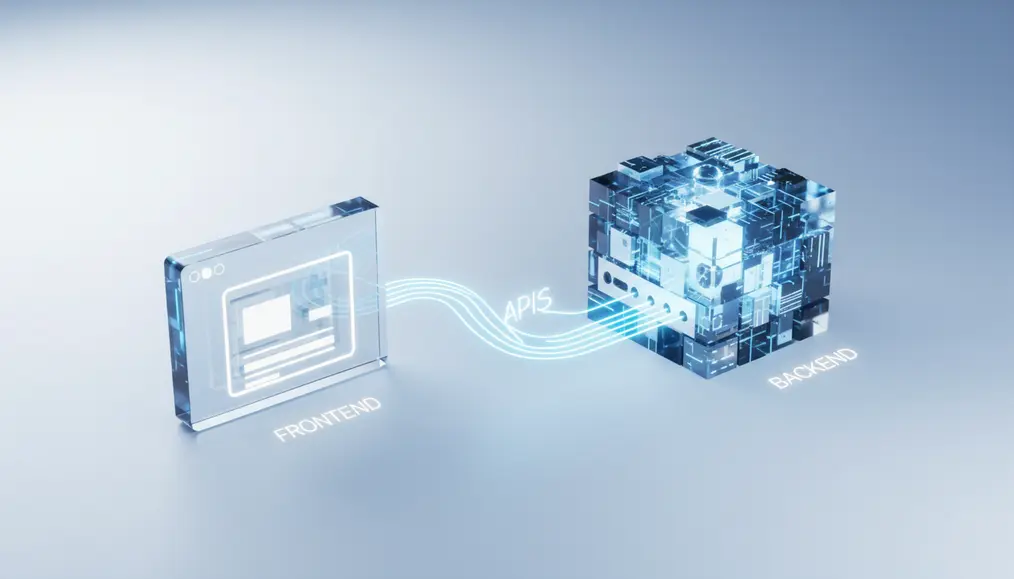
At its heart, Headless web development is about adopting a decoupled architecture. Unlike traditional monolithic systems where the content management system (CMS) and the website's display layer (frontend) are tightly interwoven, a headless setup separates these two components. Think of it as having a "body" (the backend, where content is stored and managed) without a pre-defined "head" (the frontend, which displays the content). This "head" can be any digital interface—a website, a mobile app, a smart display, or even an IoT device. The backend delivers content through an API-first approach, providing raw data to any frontend application that requests it.
This separation offers immense advantages. For instance, a traditional CMS might dictate the specific technologies you can use for your frontend, limiting your design and performance capabilities. With a headless CMS, your content is managed centrally but can be published anywhere. This means developers gain significant frontend flexibility, choosing the best frameworks and tools (like React, Vue, Angular, or even static site generators for Jamstack) to create highly optimized and engaging user interfaces. This architectural shift fundamentally changes how content delivery works, ensuring that content is not just accessible, but also perfectly tailored for various platforms, making it a powerful strategy for businesses aiming to enhance their digital experiences across all touchpoints.
Key Benefits: Why Headless is the Future of Web Development
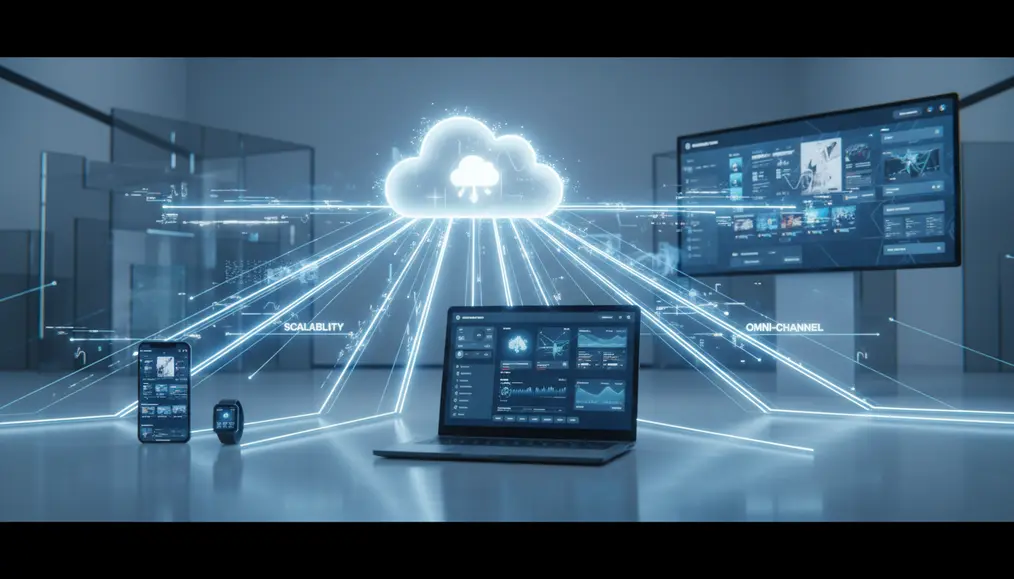
Embracing Headless web development offers a multitude of benefits that directly contribute to making your website faster and stronger. These advantages extend beyond mere technicalities, impacting user experience, operational efficiency, and long-term business growth.
Unmatched Website Performance and Speed
One of the most immediate and tangible benefits of a headless setup is a significant boost in website performance. By separating the frontend from the backend, the display layer can be built using lightweight, modern technologies optimized specifically for speed. Content is delivered via APIs, often in a highly optimized format, leading to faster loading times and a smoother user experience. This improved speed is crucial for SEO, reducing bounce rates, and enhancing user engagement. Websites built with a headless approach often perform exceptionally well on core web vitals, which are increasingly important for search engine rankings. For further insights into website optimization, you might want to read our article on How to Use Video on Your Website Without Slowing It Down, as it highlights the importance of maintaining speed.
Superior Scalability and Robustness
Traditional monolithic architectures can become bottlenecks when traffic surges or when new features need to be added. Headless web development, by design, offers superior scalability. The frontend and backend can scale independently, meaning you can handle massive traffic spikes without impacting the content management system, and vice-versa. This separation also contributes to greater robustness; if one component experiences an issue, the entire system is less likely to collapse. This makes headless ideal for businesses that anticipate growth or experience seasonal traffic fluctuations, ensuring a consistently strong online presence. This flexibility also makes it easier to implement additional features like How AI Chatbots Can Answer Your Customers 24/7 Without You without compromising overall system stability.
Unparalleled Frontend Flexibility and Customization
The ability to choose any frontend technology means designers and developers are no longer constrained by the templates or frameworks of a traditional CMS. This frontend flexibility empowers them to create truly unique and innovative digital experiences. Whether it's crafting highly interactive interfaces, integrating cutting-edge UI/UX designs, or developing specific features tailored to your audience, a headless setup provides the freedom to do so without extensive workarounds. This freedom allows for rapid prototyping and deployment of new features, giving businesses an agile edge in the competitive digital market. Moreover, this approach aligns well with principles discussed in Why Clean and Simple Website Design Works Better in 2026, as it promotes focus on content and user experience.
Future-Proofing Your Digital Presence with Multi-Channel Content
One of the most significant advantages for businesses looking to build a truly future-proof digital strategy is the ability to deliver multi-channel content. With a headless system, your content exists as pure data, ready to be consumed by any device or platform. This means you can effortlessly distribute your content not just to your website, but also to mobile apps (iOS and Android), smartwatches, voice assistants, in-store digital displays, and even new platforms that haven't been invented yet. This ensures consistency in your brand messaging and provides a unified experience across all customer touchpoints, making it an invaluable asset for comprehensive content management flexibility.
Streamlined Backend Management and Microservices Integration
For IT teams, backend management often becomes simpler and more focused. A headless CMS is solely responsible for content storage and delivery, freeing it from the complexities of frontend rendering. This specialized focus can lead to more efficient content workflows and easier maintenance. Furthermore, the decoupled architecture inherently supports the integration of microservices. Businesses can integrate best-of-breed solutions for e-commerce, user authentication, CRM, or analytics as separate services, without them being tightly coupled to the main CMS. This allows for a truly modular and adaptable system, perfect for complex enterprise environments.
Implementing Headless: Key Considerations for Your Web Development Strategy
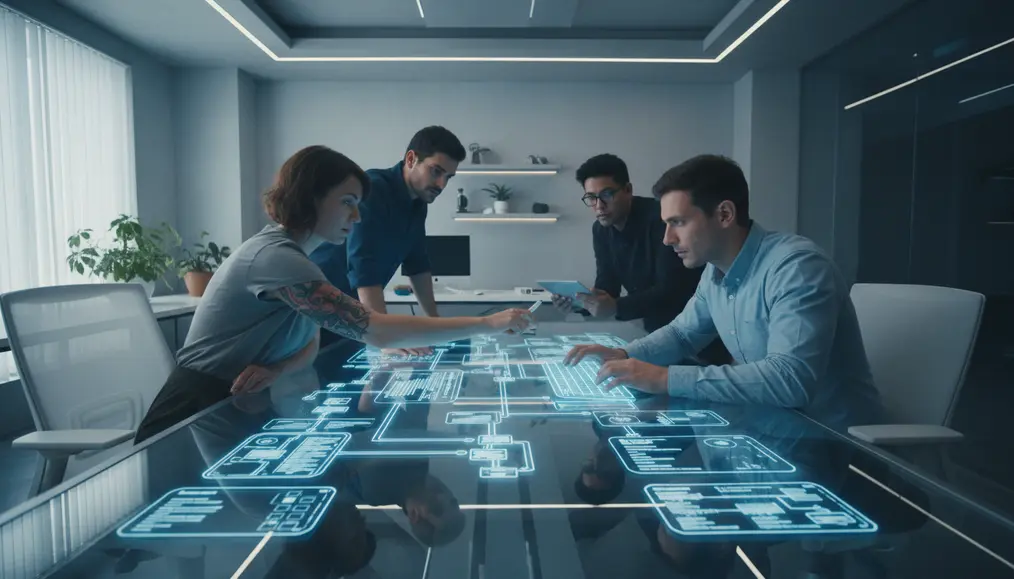
While the benefits are clear, successfully implementing Headless web development requires a thoughtful approach. It’s not simply about picking a headless CMS; it involves a shift in your overall web development strategy.
Choosing the Right Headless CMS
The market for headless CMS solutions is growing rapidly, with options ranging from open-source platforms to enterprise-grade services. When choosing a headless CMS, consider factors such as ease of use for content editors, API capabilities, scalability, security features, and community support. Popular choices include Strapi, Contentful, Sanity, and DatoCMS, each with its own strengths. The right choice will align with your team's technical expertise, content needs, and budget, ensuring effective backend management.
Frontend Framework Selection
With frontend flexibility being a core advantage, selecting the right framework for your "head" is crucial. Modern JavaScript frameworks like React, Vue.js, or Angular are popular for building dynamic, interactive user interfaces. For simpler websites or blogs where speed and SEO are paramount, static site generators (like Next.js, Gatsby, or Hugo) combined with a headless CMS offer the powerful Jamstack architecture, delivering incredible website performance. Your choice should depend on the complexity of your application, developer skill sets, and desired user experience.
API Integration and Content Modeling
The success of a headless setup hinges on robust API integration. Your content needs to be structured and modeled in a way that makes it easy for various frontend applications to consume. This involves careful planning of your content types and fields within the headless CMS to ensure efficient content delivery across all channels. Proper content modeling is essential for maintaining consistency and ensuring that your content remains organized and accessible as your digital ecosystem grows, aligning with your goals to improve website speed and maintain a strong modern web architecture.
When is Headless the Right Choice? Use Cases and Scenarios

While Headless web development offers significant benefits, it's particularly well-suited for certain scenarios and organizations. Understanding these use cases can help you determine if this modern web architecture aligns with your business needs.
E-commerce Platforms Needing Speed and Customization
For e-commerce businesses, every millisecond counts. Slow loading times can directly translate to abandoned carts and lost sales. A headless e-commerce setup, where the product catalog and order management are handled by a backend system (like Shopify, BigCommerce, or a custom solution) and the storefront is a completely separate frontend, can drastically improve website speed. This also allows for highly customized shopping experiences, unique product displays, and seamless integration with various third-party services, providing immense content management flexibility for promotions and product launches.
Enterprises Requiring Multi-Channel Presence
Large organizations and those with complex digital ecosystems often need to deliver content to numerous touchpoints: websites, mobile apps, kiosks, intranets, and even smart devices. Headless for enterprise is a powerful solution here, enabling a single source of truth for all content. This facilitates consistent branding and messaging across all channels, reduces content duplication, and simplifies updates. It's a key component of a comprehensive digital experiences strategy, especially when dealing with a vast amount of structured and unstructured data, utilizing the strengths of an API-first approach.
Progressive Web Apps (PWAs) and Highly Interactive Applications
Progressive web apps (PWAs) are designed to offer app-like experiences within a browser, featuring offline capabilities, push notifications, and fast loading. Headless architecture is a natural fit for PWAs, as it allows developers to build rich, interactive frontends that consume content via APIs. Similarly, any application demanding high interactivity, real-time data updates, or complex user interfaces benefits from the separation of concerns provided by decoupled architecture, ensuring that the presentation layer can be optimized without affecting backend management.
Future-Proofing and Technology Agnostic Solutions
Businesses that prioritize being future-proof and wish to avoid vendor lock-in will find headless particularly appealing. By separating the frontend, you gain the freedom to swap out or update either component independently. If a new, superior frontend technology emerges, you can adopt it without rebuilding your entire content infrastructure. This agility means your website can evolve with technology, rather than being constantly rebuilt from scratch, making it a sustainable web development strategy.
Overcoming Challenges in Headless Implementation
While the advantages of Headless web development are compelling, it's important to acknowledge potential challenges and how an experienced partner like Bornneo.Lab can help navigate them. Transitioning to a decoupled architecture isn't just a technical change; it often requires a shift in mindset and workflow.
Initial Complexity and Development Cost
Setting up a headless system can sometimes require more initial development effort compared to off-the-shelf monolithic solutions. This is because you are building two separate systems (frontend and backend) and ensuring they communicate seamlessly via APIs. The need for experienced developers proficient in both backend API development and modern frontend frameworks can sometimes lead to higher upfront costs. However, these initial investments often pay off in the long run through increased website performance, reduced maintenance headaches, and enhanced scalability. Bornneo.Lab provides transparent cost estimations and helps businesses understand the long-term ROI, preventing the 'DIY Trap': When to Stop Building and Start Hiring for complex projects like this.
Content Preview and Editor Experience
One common concern for content editors accustomed to "what you see is what you get" (WYSIWYG) editors in traditional CMSs is the lack of direct visual preview in a pure headless CMS. Since the CMS only manages content and not its presentation, seeing how content will look on the live site can be more challenging. However, many modern headless CMS platforms are addressing this with sophisticated preview environments and visual builders that integrate with popular frontend frameworks. Bornneo.Lab helps configure these tools to ensure a smooth content editing experience, maintaining content management flexibility without sacrificing usability.
SEO Considerations in a Decoupled World
While headless can significantly improve website speed, which is great for SEO, it also introduces new considerations. Ensuring that search engines can effectively crawl and index content from a JavaScript-rendered frontend requires careful configuration, such as server-side rendering (SSR) or static site generation (SSG) in a Jamstack setup. Proper meta tags, structured data, and sitemaps must be implemented correctly, especially when content is dynamic. Bornneo.Lab has expertise in optimizing headless sites for search engines, ensuring your powerful new architecture translates into strong organic visibility. This ensures that your efforts in modern web architecture also contribute to your overall digital marketing success, reinforcing the concept that your website isn't just fast but also highly visible.
Bornneo.Lab's Approach to Headless Web Development
At Bornneo.Lab, we believe in empowering businesses with technology that drives real results. Our approach to Headless web development is built on a foundation of understanding your unique business needs and delivering tailored solutions that maximize speed, flexibility, and longevity. We don't just build websites; we craft resilient, high-performing digital experiences.
We work closely with clients to define a clear web development strategy, ensuring that the transition to a decoupled architecture is smooth and beneficial. From selecting the ideal headless CMS and frontend frameworks to designing robust APIs and optimizing for search engines, our experienced team manages every aspect. Our goal is to create a solution that not only meets your current requirements but also provides a truly future-proof foundation for growth, allowing your business to adapt and thrive in an ever-changing digital landscape. We focus on solutions that inherently improve website speed and ensure maximum scalability for your long-term success, helping you unlock true content management flexibility.
Why choose Bornneo.Lab for Headless web development?
- 🌟 Client-focused delivery with clear scope, timelines, and measurable outcomes aligned to your business goals.
- 🧩 End-to-end support from discovery and strategy to implementation, documentation, and handover.
- 📌 Practical solutions built to fit your existing stack and team workflow—no unnecessary complexity.
Conversion-Driven Design
We design digital experiences with a clear purpose. Every layout, interaction, and call-to-action is strategically crafted to guide users toward meaningful conversions—whether that means leads, sign-ups, or business inquiries.
Mobile-First & Responsive
With the majority of users accessing websites from mobile devices, we prioritize responsiveness from day one. Our solutions adapt seamlessly across screen sizes while maintaining performance and usability.
SEO & Performance Optimized
We build with technical SEO, site speed, and performance best practices in mind—helping your website earn visibility, trust, and sustainable organic growth.
Bornneo.Lab Client Testimonials
★★★★★ – Sarah L.: "Bornneo.Lab completely transformed our online presence with a headless solution. Our site speed is incredible, and managing content across multiple platforms has never been easier. Their team was truly exceptional."
★★★★★ – David K.: "We needed a scalable solution for our growing e-commerce business, and Bornneo.Lab delivered. Their expertise in headless architecture gave us the performance and flexibility we needed to expand our digital reach."
★★★★★ – Emily R.: "The team at Bornneo.Lab guided us through every step of adopting a decoupled architecture. The increase in our website's performance and the new level of frontend flexibility have been game-changers for our marketing efforts."
★★★★★ – Mark W.: "Working with Bornneo.Lab on our headless project was a fantastic experience. They understood our complex requirements and delivered a robust, future-proof platform that exceeded our expectations. Highly recommended for any business looking to improve their digital strategy."
★★★★★ – Jessica T.: "Bornneo.Lab's insight into modern web architecture helped us significantly improve our content delivery and user experience. Our new headless setup is fast, reliable, and gives us incredible control over our digital content."
READ ALSO: Preparing Your Website for Busy Periods and Holiday Sales
Frequently Asked Questions About Headless Web Development
What exactly is a headless CMS?
A headless CMS is a content management system that provides a backend-only interface for managing and storing content. Unlike traditional CMSs, it doesn't include a predefined frontend or presentation layer. Instead, it exposes content through an API, allowing developers to use any programming language or framework to build custom frontends for websites, mobile apps, or other digital experiences. This separation facilitates greater frontend flexibility and multi-channel content delivery.
How does headless technology improve website speed?
Headless web development improves website performance by decoupling the frontend from the backend. The frontend can be built with highly optimized, lightweight frameworks (like React, Vue, or Next.js) that focus solely on rendering user interfaces quickly. Content is fetched via APIs, often in optimized formats, rather than being rendered by a heavy CMS, leading to faster page loads, improved interactivity, and better overall digital experiences. This is a core benefit for businesses looking to improve website speed and user engagement.
Is headless web development suitable for small businesses or just large enterprises?
While Headless for enterprise is a significant use case due to the need for scalability and multi-channel content, it's increasingly viable and beneficial for small to medium-sized businesses too. With the rise of user-friendly headless CMS options and simplified frontend frameworks, even smaller businesses can leverage the advantages of improved website performance, frontend flexibility, and a future-proof architecture. The decision often depends on specific project requirements, growth aspirations, and the desired level of customization.
What is the difference between headless and traditional (monolithic) CMS?
A traditional (monolithic) CMS combines the content management system (backend) with the content presentation layer (frontend) into a single, tightly coupled system. It dictates how content is displayed. A headless CMS, by contrast, separates these two. The CMS only handles backend management and content storage, delivering content via APIs. The frontend is built independently, offering complete frontend flexibility and enabling multi-channel content distribution. This fundamental decoupled architecture makes headless more versatile and scalable.
How does headless web development affect SEO?
Headless web development can significantly benefit SEO by improving crucial factors like website performance and mobile responsiveness. Faster loading times and better user experience, inherent to headless sites, are positively weighted by search engines. However, ensuring proper SEO requires careful implementation of server-side rendering (SSR) or static site generation (SSG) to ensure content is crawlable. Bornneo.Lab's expertise ensures that your headless solution is not only fast but also highly optimized for search engines, supporting your overall web development strategy.
What is the JAMstack and how does it relate to headless?
Jamstack is a modern web architecture based on JavaScript, APIs, and Markup. It's a key approach within Headless web development. In a Jamstack setup, the frontend is pre-built into static files (Markup) for incredible speed and security. These static files then fetch dynamic data from APIs (which a headless CMS provides) using JavaScript. This combination delivers exceptional website performance, enhanced security, and superior scalability, making it a popular choice for building modern, fast, and future-proof websites.
Contact Us
Ready to move forward with clarity and confidence? Get direct insights and tailored recommendations by speaking with our team.
Disclaimer
The information provided in this article is for general informational purposes only and does not constitute professional advice. While Bornneo.Lab strives to provide accurate and up-to-date content, the digital landscape and web development best practices are subject to continuous change. Readers are encouraged to consult with qualified web development professionals for advice tailored to their specific circumstances. Bornneo.Lab is not liable for any actions taken or not taken based on the contents of this article.
```