

In the dynamic world of manufacturing, achieving peak efficiency and flawless production is a constant pursuit. Yet, many enterprises grapple with the persistent challenge of manual site errors – inconsistencies, defects, and delays that can significantly impact output, increase costs, and compromise product quality. These errors often stem from repetitive human tasks, complex data entry, and a lack of integrated systems, making it difficult to maintain precise quality control across the entire production line. Imagine the ripple effect of a minor data entry mistake at the start of a production cycle; it can lead to scrapped materials, costly rework, and missed delivery deadlines down the line.
This is precisely where manufacturing automation emerges not just as an option, but as a strategic imperative. By choosing to automate manual processes, businesses can systematically mitigate the risks associated with human intervention, thereby enhancing precision, speed, and consistency. Bornneo.Lab understands these pain points deeply, recognizing that the journey towards true operational excellence requires a thoughtful and strategic approach to technology adoption. We believe that digital transformation in manufacturing isn't merely about installing new machinery; it's about re-engineering workflows to empower your workforce and optimize every facet of your operations.
The goal is clear: to reduce errors at their source, free up valuable human capital for more complex problem-solving, and foster an environment where site efficiency is not just an aspiration but a tangible reality. Let’s explore how targeted manufacturing automation solutions can help your facility transcend these challenges, paving the way for a more robust, reliable, and profitable future.
READ ALSO: Construction Project Automation: Managing Site Data
Understanding the Root Causes of Manual Errors in Manufacturing
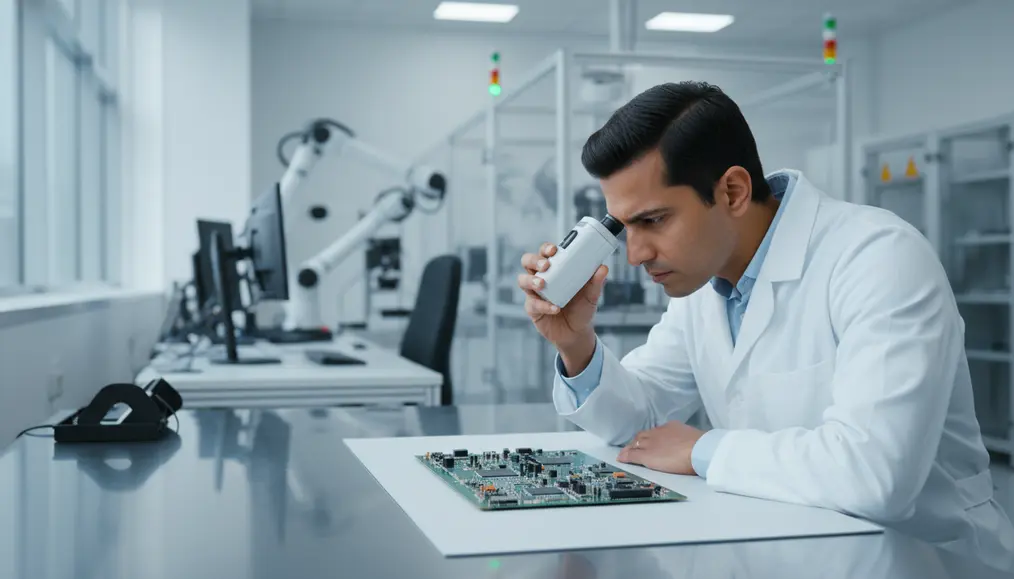
Before diving into solutions, it's crucial to understand why manual site errors are so prevalent in manufacturing environments. The complexity of modern production, coupled with the reliance on human operators for intricate tasks, creates numerous opportunities for mistakes. Common culprits include fatigue, lack of standardized procedures, inadequate training, and the sheer volume of data that needs to be processed. For instance, in an assembly line, a worker might misread a specification, select the wrong component, or incorrectly log production data. Each instance, no matter how small, can contribute to significant inefficiencies and quality issues, hindering efforts to achieve operational excellence.
The absence of real-time process monitoring often means errors are only detected much later in the production cycle, making them more costly and time-consuming to rectify. Furthermore, many traditional manufacturing setups rely on siloed data systems, meaning information isn't always accurate or accessible across different departments. This fragmented approach makes it incredibly challenging to identify patterns of error, implement effective corrective actions, or even improve data accuracy in manufacturing plants. Recognizing these underlying issues is the first step towards formulating effective strategies to reduce errors and enhance overall site efficiency through manufacturing automation.
The Transformative Power of Manufacturing Automation
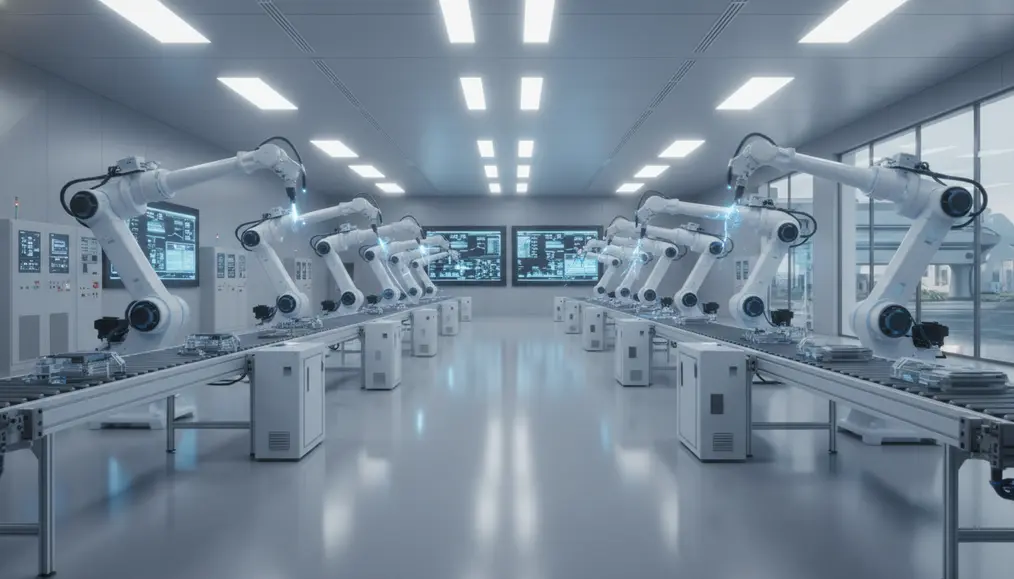
Manufacturing automation offers a comprehensive solution to these pervasive issues by replacing error-prone manual tasks with precise, repeatable, and scalable automated processes. When you automate manual processes, you're not just speeding things up; you're building in consistency and precision that human hands simply cannot match over extended periods. This fundamental shift is at the heart of digital transformation in manufacturing, allowing companies to achieve unprecedented levels of quality control and productivity. Implementing Industry 4.0 solutions involves integrating smart technologies such as robotics, AI, machine learning, and the Internet of Things (IoT) into existing production lines. For example, IoT sensors can provide real-time process monitoring of machinery, predicting maintenance needs before breakdowns occur and thus preventing production halts and associated errors. This proactive approach is key to error-proofing production and driving continuous improvement.
One of the primary benefits is the dramatic reduction in manual site errors. Automated systems follow programmed instructions flawlessly, eliminating variability and human oversight. Whether it’s precise component placement, accurate measurement, or consistent welding, automation ensures each task is performed to exact specifications every single time. This directly leads to a higher-quality end product and significantly fewer defects. Bornneo.Lab focuses on helping businesses identify critical areas where automation can yield the most significant impact, ensuring that investments in manufacturing automation solutions translate directly into tangible improvements in output and profitability. Our expertise lies in crafting tailored solutions that help streamline manufacturing operations with technology, from initial assessment to full-scale deployment and ongoing support, allowing you to truly reduce errors throughout your entire workflow.
Key Areas Where Automation Reduces Manual Site Errors
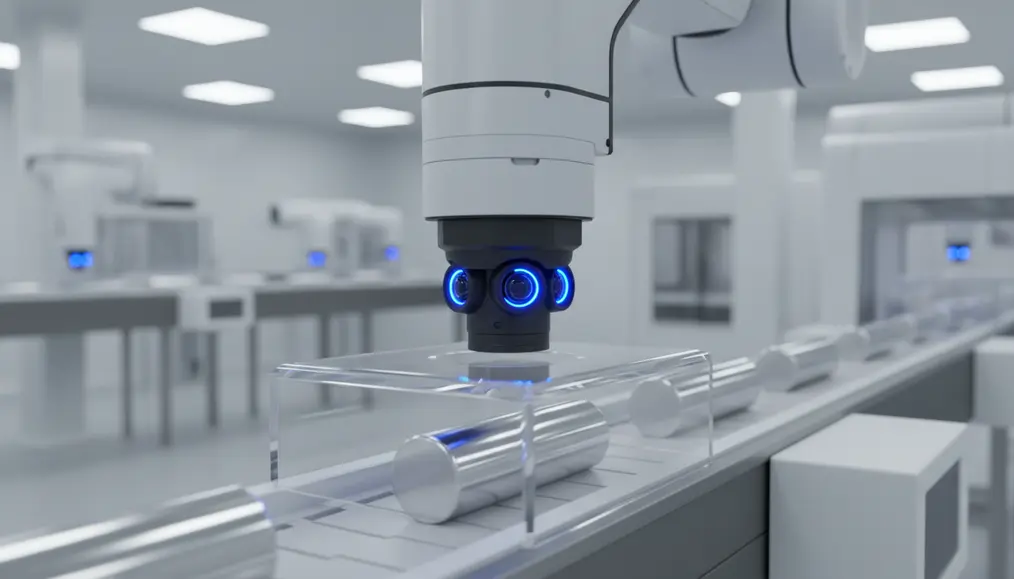
Implementing manufacturing automation can significantly impact various critical areas within a production facility, directly addressing the common sources of manual site errors. Understanding these areas helps businesses prioritize where to automate manual processes for maximum benefit.
Automated Data Entry and Management
One of the most common sources of errors is manual data input. From inventory counts to production logs and quality checks, human errors in data entry can lead to cascading issues. Automated data capture systems, such as barcode scanners, RFID, and vision systems, can directly feed information into central databases, vastly improving data accuracy in manufacturing plants. This eliminates transcription errors, ensures up-to-date records, and provides a foundation for more reliable decision-making. Such improvements are vital for any company striving for operational excellence.
Precision Assembly and Fabrication
Tasks requiring high precision, such as component placement or intricate assembly, are prone to human inconsistencies. Robotics and advanced automation systems can perform these tasks with sub-millimeter accuracy and unwavering consistency, day in and day out. This directly leads to error-proofing production, reducing waste from misaligned or improperly assembled parts, and upholding stringent quality control standards. Companies seeking to reduce errors in these critical stages often find automated assembly lines to be a game-changer, bolstering their site efficiency.
Automated Inspection and Quality Control
Traditional manual inspection is often subjective, slow, and can miss subtle defects, especially under high-volume production. Automated inspection systems using machine vision, AI, and sensors can rapidly and consistently identify flaws, dimensional inaccuracies, or material defects that human eyes might overlook. This ensures superior quality control and prevents defective products from progressing further down the line, a key aspect of lean manufacturing principles. Such automation for quality improvement means fewer recalls, less rework, and a stronger reputation for product reliability.
Inventory and Material Handling
Incorrect material handling, misplacement of inventory, or inaccurate stock counts can disrupt production schedules and lead to costly delays. Automated Guided Vehicles (AGVs) or Autonomous Mobile Robots (AMRs) can precisely transport materials, while automated storage and retrieval systems ensure accurate inventory management. This not only boosts site efficiency but also significantly reduces errors related to material flow and stock discrepancies, ensuring that the right components are always in the right place at the right time. Bornneo.Lab has assisted clients in streamlining these areas, for example, by helping implement solutions for Automating Retail Inventory for Sydney Wholesalers, demonstrating the breadth of our automation expertise.
Predictive Maintenance and Monitoring
Equipment breakdowns are a major source of production errors and downtime. Integrating IoT sensors and real-time process monitoring allows manufacturers to track machine health, predict potential failures, and schedule maintenance proactively. This prevents unexpected stoppages and the associated errors that can occur when operations are disrupted, contributing significantly to error-proofing production. This advanced use of Industry 4.0 solutions ensures consistent performance and reliability across the production floor.
How to Implement Automation in Manufacturing Effectively

Successfully implementing manufacturing automation requires a strategic, phased approach, especially for those looking to automate manual processes and reduce errors effectively. It’s not just about purchasing technology; it’s about integrating it seamlessly into your existing workflows and culture.
1. Assessment and Planning: Identifying Automation Opportunities
The journey begins with a thorough assessment of your current operations. Identify specific areas plagued by manual site errors, bottlenecks, or repetitive tasks that consume significant time and resources. This is where you pinpoint the most impactful opportunities to automate manual processes. Bornneo.Lab works closely with clients to conduct detailed process mapping, uncovering inefficiencies and evaluating potential return on investment for manufacturing automation. We help you prioritize based on feasibility, cost, and potential for quality improvement and site efficiency. For instance, evaluating where Education Management Automation: Scaling NZ Schools or even Automating Legal Workflows: Efficiency for AU Law Firms could apply to their respective sectors mirrors the analytical approach we take in manufacturing to pinpoint areas of greatest need.
2. Solution Design and Selection: Tailoring Technology to Needs
Once opportunities are identified, the next step is to design the appropriate manufacturing automation solutions. This involves selecting the right technologies, whether it’s robotics for assembly, AI-powered vision systems for quality control, or an integrated Enterprise Resource Planning (ERP) system for improving data accuracy in manufacturing plants. It's crucial to choose solutions that align with your specific operational goals and budget. This phase also focuses on ensuring interoperability with existing systems to avoid creating new data silos. Bornneo.Lab provides consulting for manufacturing automation, guiding you through the selection process and helping you understand the capabilities of various Industry 4.0 solutions to streamline manufacturing operations with technology.
3. Implementation and Integration: Seamless Rollout
The actual implementation involves deploying the chosen automation technologies. This isn't just about installation; it's about integrating new systems with your current infrastructure, configuring software, and ensuring data flows smoothly across different platforms. Effective integration is paramount to reduce errors and achieve true operational excellence. Bornneo.Lab emphasizes meticulous project management and phased rollouts to minimize disruption to ongoing production. We ensure thorough testing and validation to confirm that the automated processes are performing as expected and contributing to error-proofing production from day one. Our experience with Deployment Automation: Speeding Up Your Tech Lifecycle directly translates to efficient and reliable implementation within manufacturing environments.
4. Training and Change Management: Empowering Your Workforce
Automation isn't about replacing people; it's about re-tasking them to higher-value activities. Comprehensive training for your workforce is essential for them to understand, operate, and maintain the new automated systems. A robust change management strategy helps employees embrace the transition, alleviating fears and fostering a collaborative environment. This step is critical for sustainable digital transformation in manufacturing and for maximizing the benefits of automating production lines. Educated and empowered employees are key to leveraging automation for continued site efficiency and quality improvement.
5. Monitoring and Continuous Improvement: Sustaining Excellence
After implementation, continuous monitoring and performance analysis are vital. Utilize real-time process monitoring tools to track key performance indicators (KPIs), identify any new bottlenecks, and continuously optimize automated workflows. This commitment to continuous improvement, deeply rooted in lean manufacturing principles, ensures that your manufacturing automation investments continue to deliver value and adapt to evolving production needs. Bornneo.Lab supports clients with ongoing data analysis and refinement, ensuring that your automation strategy remains dynamic and effective in minimizing human error in factory settings.
Benefits of Automating Production Lines Beyond Error Reduction
While reducing manual site errors is a primary driver for manufacturing automation, the benefits of automating production lines extend much further, creating a compelling case for investment in Industry 4.0 solutions. These advantages contribute to a more resilient, competitive, and sustainable manufacturing operation.
Increased Productivity and Throughput
Automated systems operate continuously without fatigue or breaks, leading to significantly higher production volumes and faster cycle times. This boost in site efficiency means more products can be manufactured in the same timeframe, directly impacting revenue and market share. The consistent output generated by automation is crucial for meeting demanding market schedules.
Enhanced Product Quality and Consistency
By eliminating human variability, automation ensures that every product meets exacting specifications. This leads to superior and consistent quality control, fewer defects, and a stronger brand reputation. The ability to error-proof production through automated inspection and assembly processes translates into a more reliable product for your customers.
Improved Worker Safety
Automation can take over dangerous, repetitive, or ergonomically challenging tasks, significantly reducing workplace accidents and injuries. This creates a safer environment for employees, lowers insurance costs, and demonstrates a commitment to employee well-being. Focusing on minimizing human error in factory settings often involves removing humans from hazardous situations entirely.
Cost Savings
While the initial investment in manufacturing automation solutions can be substantial, the long-term cost savings are significant. These include reduced labor costs for repetitive tasks, less waste due to fewer errors, lower energy consumption through optimized processes, and decreased rework expenses. The return on investment for manufacturing automation can be substantial, especially when considering the indirect benefits of improved quality and speed. Our Data Analytics Support: Helping You Make Smarter Decisions can help calculate this ROI.
Scalability and Flexibility
Automated systems can often be reprogrammed or reconfigured to produce different products or scale up/down production more easily than manual lines. This flexibility allows manufacturers to adapt quickly to changing market demands, product variations, and seasonal shifts, which is a hallmark of lean manufacturing principles and key to operational excellence.
Better Data Collection and Analytics
Automated systems generate vast amounts of data in real-time process monitoring across the production floor. This data is invaluable for analytics, providing insights into performance, identifying trends, and facilitating continuous improvement. Enhanced data accuracy directly supports how to implement automation in manufacturing more effectively and make informed business decisions, directly leading to improving data accuracy in manufacturing plants.
Bornneo.Lab's Approach to Manufacturing Automation and Error Reduction
At Bornneo.Lab, we understand that every manufacturing facility has unique challenges and opportunities. Our approach to manufacturing automation is highly collaborative and tailored, focusing on delivering practical, impactful manufacturing automation solutions that genuinely reduce errors and drive operational excellence. We don’t just implement technology; we partner with you to achieve a lasting digital transformation in manufacturing.
Our methodology for helping clients automate manual processes includes:
- Comprehensive Discovery: We start by deeply understanding your current processes, pain points, and strategic objectives. This involves detailed site visits, stakeholder interviews, and data analysis to identify the most critical areas for error-proofing production and quality improvement.
- Customized Solution Design: Leveraging our expertise in Industry 4.0 solutions and various automation technologies, we design bespoke systems that integrate seamlessly with your existing infrastructure. Our focus is on creating solutions that are not only technologically advanced but also practical and scalable, helping you to streamline manufacturing operations with technology.
- Strategic Implementation: Our team manages the entire implementation lifecycle, from system configuration and integration to rigorous testing and deployment. We prioritize minimizing disruption and ensuring a smooth transition to your new automated workflows, helping you reduce errors efficiently.
- Training and Support: We provide thorough training for your personnel, ensuring they are proficient in operating and maintaining the new systems. Our ongoing support helps you maximize your investment and adapt to future challenges, reinforcing the benefits of automating production lines. We aim to empower your team in minimizing human error in factory settings through smart tools.
- Performance Monitoring and Optimization: We assist you in establishing robust real-time process monitoring systems to track the effectiveness of the automation. Through continuous analysis and optimization, we help ensure your systems consistently deliver peak performance and measurable return on investment for manufacturing automation. This ensures you are always adopting the best practices for manufacturing automation for your specific needs.
Our commitment is to help you achieve not just a reduction in manual site errors, but a holistic enhancement of your manufacturing capabilities. By partnering with Bornneo.Lab, you gain a trusted ally dedicated to fostering innovation and driving sustainable growth in your operations, ensuring that your path towards operational excellence is clear and well-supported.
Why choose Bornneo.Lab for Automate manual processes?
- 🌟 Client-focused delivery with clear scope, timelines, and measurable outcomes aligned to your business goals.
- 🧩 End-to-end support from discovery and strategy to implementation, documentation, and handover.
- 📌 Practical solutions built to fit your existing stack and team workflow—no unnecessary complexity.
Conversion-Driven Design
We design digital experiences with a clear purpose. Every layout, interaction, and call-to-action is strategically crafted to guide users toward meaningful conversions—whether that means leads, sign-ups, or business inquiries.
Mobile-First & Responsive
With the majority of users accessing websites from mobile devices, we prioritize responsiveness from day one. Our solutions adapt seamlessly across screen sizes while maintaining performance and usability.
SEO & Performance Optimized
We build with technical SEO, site speed, and performance best practices in mind—helping your website earn visibility, trust, and sustainable organic growth.
Bornneo.Lab Client Testimonials
★★★★★ – David Chen: Bornneo.Lab helped us significantly reduce errors in our production line. Their team understood our unique challenges and provided a tailored manufacturing automation solution that exceeded our expectations for site efficiency.
★★★★★ – Sarah Lee: The digital transformation in manufacturing guidance we received from Bornneo.Lab was exceptional. They made it easy to automate manual processes, leading to immediate improvements in quality control and overall output.
★★★★★ – Michael O’Connell: We tasked Bornneo.Lab with error-proofing production, and they delivered. Their Industry 4.0 solutions are robust, and their support made the transition seamless. We've seen a measurable return on investment for manufacturing automation.
★★★★★ – Emily Rodriguez: Bornneo.Lab is truly an expert in manufacturing automation solutions. Their expertise helped us streamline manufacturing operations with technology, leading to better data accuracy in manufacturing plants and substantial cost savings. We highly recommend their consulting for manufacturing automation services.
★★★★★ – John Harrison: Our journey to operational excellence was greatly accelerated by Bornneo.Lab. They provided the best practices for manufacturing automation and helped us effectively minimize human error in factory settings, ultimately enhancing our competitive edge.
READ ALSO: Hospitality Automation: Managing Bookings & Feedback
Frequently Asked Questions about Manufacturing Automation
Q1: What exactly is Manufacturing Automation?
Manufacturing automation involves using technology to control and monitor the production of goods, performing tasks that were previously done manually. This can range from robotics on an assembly line to software that manages inventory and data entry. Its primary goal is to automate manual processes to enhance site efficiency, quality control, and reduce errors across the entire manufacturing workflow, representing a crucial part of digital transformation in manufacturing.
Q2: How does automation specifically reduce manual errors?
Automation reduces manual site errors by replacing human intervention in repetitive, precise, or data-intensive tasks with consistent, programmed machine execution. This eliminates common human factors like fatigue, inconsistency, and transcription errors. Automated systems provide precise movements, consistent measurements, and direct data capture, leading to significant error-proofing production and improving data accuracy in manufacturing plants.
Q3: What are the main benefits of automating production lines?
The benefits of automating production lines are extensive. Beyond reducing errors, they include increased productivity, improved product quality and consistency, enhanced worker safety by taking over hazardous tasks, significant long-term cost savings, greater scalability and flexibility to adapt to market changes, and better data collection for insightful analytics and real-time process monitoring. These benefits collectively contribute to operational excellence and a stronger competitive position.
Q4: Is Manufacturing Automation only for large enterprises?
Not at all. While large enterprises have been early adopters of manufacturing automation, increasingly, small and medium-sized businesses (SMBs) are finding scalable and affordable manufacturing automation solutions. Technologies like collaborative robots and cloud-based software are making automation accessible to a wider range of businesses looking to automate manual processes and gain a competitive edge. Bornneo.Lab specializes in crafting solutions appropriate for businesses of all sizes, helping them to streamline manufacturing operations with technology.
Q5: What is the typical Return on Investment (ROI) for Manufacturing Automation?
The return on investment for manufacturing automation varies widely depending on the specific industry, the scope of automation, and the initial investment. However, companies often see ROI through reduced waste, lower labor costs for repetitive tasks, fewer defects, improved throughput, and enhanced quality control. Many studies indicate payback periods ranging from a few months to a few years, especially when factoring in the indirect benefits of improved reputation and market agility. A focused consulting for manufacturing automation approach can help estimate specific ROI.
Q6: How does Bornneo.Lab help with Manufacturing Automation?
Bornneo.Lab provides end-to-end support for manufacturing automation. We start with a comprehensive assessment to identify key opportunities for error-proofing production and quality improvement, then design and implement customized Industry 4.0 solutions that align with your specific goals. We offer strategic consulting for manufacturing automation, ensuring seamless integration, thorough training for your team, and ongoing support to help you achieve and sustain operational excellence by helping you automate manual processes effectively and reduce errors consistently.
Contact Us
Ready to move forward with clarity and confidence? Get direct insights and tailored recommendations by speaking with our team.
Disclaimer
The information provided in this article is for general informational purposes only and does not constitute professional advice. While we strive to ensure the accuracy and timeliness of the content, Bornneo.Lab makes no representations or warranties of any kind, express or implied, about the completeness, accuracy, reliability, suitability, or availability with respect to the article or the information, products, services, or related graphics contained in the article for any purpose. Any reliance you place on such information is therefore strictly at your own risk. We recommend consulting with an experienced automation consultant or specialist for advice tailored to your specific manufacturing needs and circumstances.