

Launching a new website is an exciting venture, a digital canvas where your brand comes to life. Yet, many businesses overlook a crucial element that can make or break that initial impression: the website imagery and photos. It's not just about filling space; it's about communicating your brand's essence, building trust, and guiding user experience. Think about it – in a world saturated with information, visuals are often the first thing that captures attention, dictating whether a visitor stays or clicks away. Without a thoughtful approach to choosing online photos, you risk presenting a disjointed, uninspired, or even untrustworthy online presence.
The challenge isn't merely finding any pictures, but rather finding the *right* ones. This process involves more than just aesthetic appeal; it delves into understanding your audience, aligning with your brand identity, and ensuring technical performance. A single ill-chosen image can confuse visitors, slow down your site, or fail to convey your message effectively. This guide is designed to provide you with a comprehensive website image guide so you can confidently navigate the complexities of selecting website pictures and ultimately, elevate your digital platform.
READ ALSO: The Importance of Mobile Friendly Websites for People on the Go
Understanding Your Brand and Audience for Effective Website Imagery and Photos

Before you even begin to browse for images, the foundational step in choosing the right images and photos for your new website is to deeply understand your brand identity and your target audience. What message do you want to convey? What emotions should your website evoke? Your visual content strategy must align perfectly with your brand's voice – whether it's innovative, reliable, playful, or luxurious. For instance, a tech startup might use sleek, modern graphics, while a handcrafted goods store would opt for warm, authentic, and possibly rustic website imagery and photos. Consider your audience's demographics, psychographics, and what kind of visuals resonate with them. Are they drawn to aspirational images, practical demonstrations, or something else entirely? Tailoring your photo choice to these insights is key to making an impact and can significantly improve website visuals and user engagement.
Types of Website Imagery and Photos: Making the Best Selection

When it comes to website images, you have a variety of options, each with its own strengths. Understanding these types is crucial for how to choose images for website effectively.
- Authentic Photography: Original photos taken specifically for your brand. These offer unparalleled authenticity, build trust, and truly reflect your unique offerings. This is often the best practices for website images when budget and time allow.
- Stock Photos: Readily available photos from online libraries. While convenient, it's vital to choose unique, less generic options that don't feel staged. Look for services offering varied styles to enhance your visual content strategy.
- Illustrations and Graphics: Custom illustrations can create a distinct brand identity and convey complex ideas simply. They are excellent for maintaining a consistent aesthetic across your entire site.
- Icons: Small, symbolic images that improve navigation and readability. They break up text and guide users through your content.
- Videos: Dynamic content that can engage visitors immediately, showcasing products, services, or your team in action. While not strictly "photos," they are a vital part of comprehensive web visuals.
Key Principles for Image Selection Best Practices
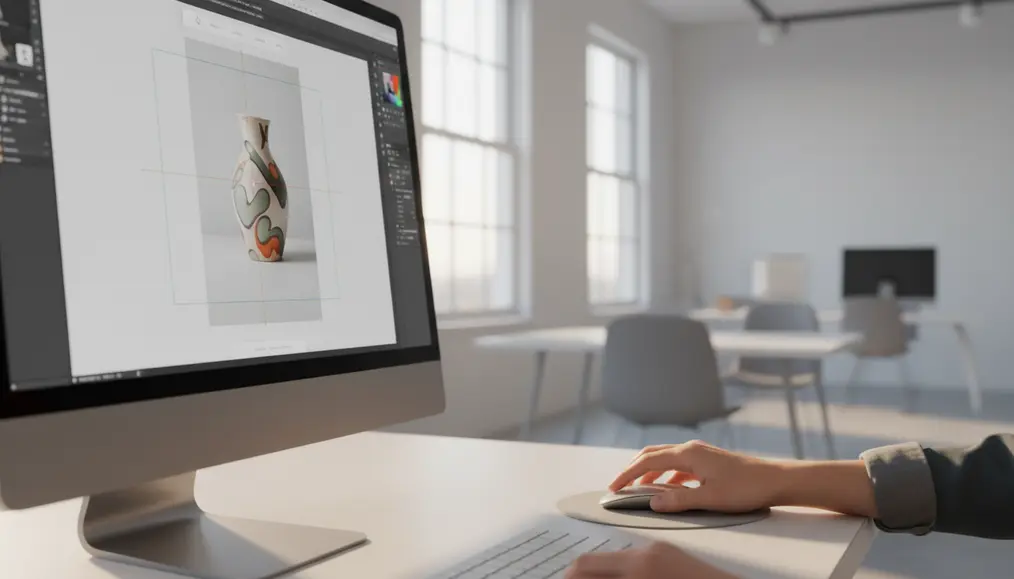
Once you know your brand and the types of images available, it's time to dive into the core image selection best practices. Following these tips for website photos will ensure that every image on your site serves a purpose and contributes positively to your overall goals.
- Relevance: Every image should be directly relevant to the surrounding content or the page's purpose. Irrelevant images distract and confuse, diminishing the impact of images on website clarity.
- Quality and Resolution: Always opt for high-quality web images. Pixelated or blurry photos reflect poorly on your brand. However, "high quality" doesn't mean massive file size, which leads us to optimization.
- Emotional Connection: Images that evoke emotion are more memorable and engaging. Consider whether your images make viewers feel inspired, trusted, understood, or curious. This is a powerful aspect of a strong visual content strategy.
- Consistency: Maintain a consistent style, color palette, and mood across all your website imagery and photos. This reinforces brand identity and creates a cohesive user experience.
- Composition and Focus: Choose images with clear subjects and good composition. The focus should be immediately apparent, guiding the viewer's eye.
- Originality: Whenever possible, lean towards unique imagery. While stock photos can be a starting point, custom photos differentiate you.
Optimizing Website Visuals for Performance and User Experience
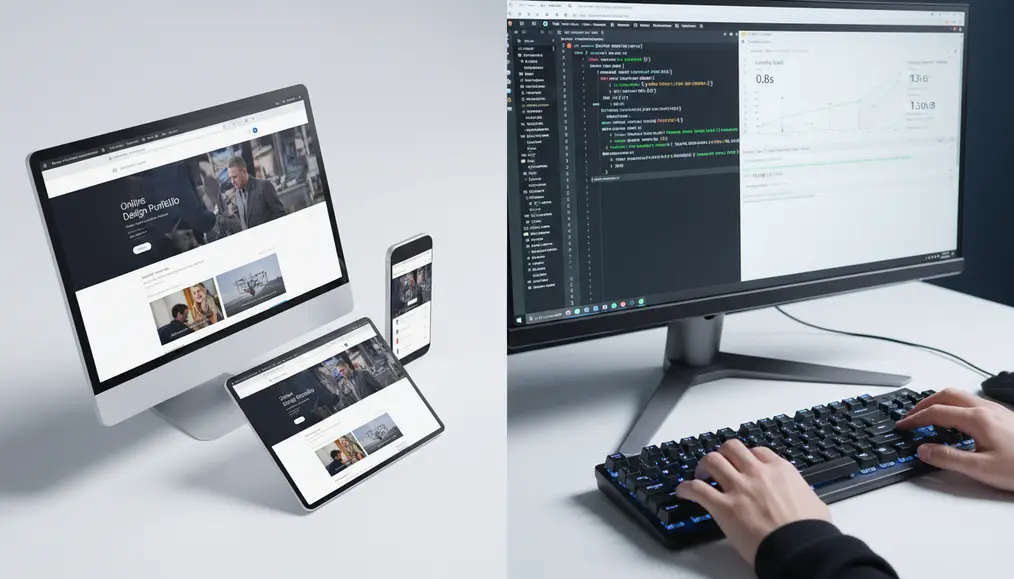
Selecting the perfect website imagery and photos is only half the battle; optimizing website visuals is equally critical. Beautiful, high-resolution images can significantly slow down your website, leading to frustrated users and lower search engine rankings. This is where image optimization comes into play. Slow loading times directly impact user engagement and can negate the positive impact of images on website design. Bornneo.Lab understands that a fast website is a cornerstone of a successful online presence, which is why we incorporate these best practices into our web development solutions. For businesses looking to scale their online presence, ensuring that your website handles increased traffic without sacrificing speed is paramount. Learn more about Upgrading Your Website to Handle More Customers and Sales to prepare for future growth.
- File Formats:
- JPEG: Best for photographs with many colors and gradients, as it offers good compression with minimal quality loss.
- PNG: Ideal for images with transparency or sharp edges, like logos, icons, and illustrations.
- WebP: A newer format offering superior compression for both lossy and lossless images, resulting in smaller file sizes without sacrificing quality. This is often the recommended format for optimizing images for web speed.
- SVG: Scalable Vector Graphics are perfect for logos, icons, and illustrations that need to scale without pixelation.
- Compression: Use image compression tools to reduce file size without visible quality degradation. Many online tools and software can help with this.
- Responsive Images: Ensure your website images adapt to different screen sizes and devices. This might involve using CSS media queries or implementing `srcset` and `sizes` attributes in your HTML to serve different image versions based on the user's device. This is crucial for mobile-first design, a core offering at Bornneo.Lab, ensuring your site looks great on any device.
- Lazy Loading: Implement lazy loading so images only load when they are about to become visible in the user's viewport. This significantly improves initial page load times.
- Alt Text: Don't forget descriptive alt text for every image. This is vital for accessibility (screen readers) and SEO, helping search engines understand your image content. It's a key part of a holistic website image guide.
Legal and Ethical Considerations for Website Images
Beyond aesthetics and performance, the legal and ethical aspects of website imagery and photos cannot be overlooked. Using images without proper permission can lead to serious legal issues and damage your brand's reputation. This is a critical point in any comprehensive website image guide. Always ensure you have the right to use any web visuals you incorporate into your site.
- Licensing: Understand the licensing terms for any images you obtain. Stock photos come with various licenses (royalty-free, rights-managed, public domain). Ensure your usage complies with these terms.
- Attribution: Some licenses require attribution to the creator. If so, provide it clearly and correctly.
- Copyright: Never use copyrighted images without explicit permission from the owner. "Finding it on Google Images" does not grant you the right to use it.
- Model Releases: If your images feature identifiable people, ensure you have model releases, especially if the images are used for commercial purposes.
- Ethical Representation: Consider the ethical implications of your photo choice. Do your images accurately and respectfully represent your brand, your audience, and society? Avoid stereotypes or misleading imagery.
Developing a Robust Visual Content Strategy
A successful website doesn't just happen; it's built on a well-thought-out plan, and that includes your visual content strategy. This strategy acts as your blueprint for how to choose images for website content consistently and effectively over time.
- Brand Guidelines: Establish clear brand guidelines for your website imagery and photos, including preferred styles, color palettes, subject matter, and even editing nuances. This ensures consistency as your website evolves.
- Image Library: Create a centralized library for your high-quality web images. This digital asset management system makes it easy to find, reuse, and manage all your visual assets, preventing duplication and ensuring brand consistency.
- Content Calendar Integration: Plan your imagery alongside your content calendar. Knowing what content is coming helps you source or create appropriate website images in advance.
- A/B Testing: Don't assume. Test different types of web visuals to see which ones resonate most with your audience and drive better engagement or conversions. This iterative approach is key to continuous improvement for your visual content tips.
- Regular Audits: Periodically review your website imagery and photos to ensure they remain relevant, perform well, and align with your evolving brand and market trends.
Common Mistakes to Avoid When Selecting Website Pictures
Even with the best intentions, it's easy to fall into common traps when choosing online photos for your website. Being aware of these pitfalls can save you time, effort, and potentially improve the impact of images on website performance.
- Using Generic Stock Photos: While convenient, overly generic or obviously staged stock photos can make your brand seem inauthentic and uninspired. Invest time in finding unique options or consider custom photography.
- Ignoring Image Optimization: As discussed, neglecting optimizing website visuals for speed can severely harm user experience and SEO. This is a crucial area where tips for website photos often get overlooked.
- Inconsistent Styling: Mixing various styles, filters, and color palettes creates a disjointed and unprofessional look. Consistency in your website imagery and photos reinforces brand identity.
- Lack of Relevance: Filling space with pretty but irrelevant images dilutes your message and can confuse visitors. Every image should support the content it accompanies.
- Poor Image Quality: Blurry, pixelated, or low-resolution images instantly detract from your credibility and reflect poorly on your brand. Always prioritize high-quality web images.
- Not Considering Mobile Experience: Images that look great on a desktop might load slowly or appear awkwardly cropped on mobile devices. Always test your website images across various screen sizes. Remember to prioritize The Importance of Mobile Friendly Websites for People on the Go for optimal user experience.
- Forgetting Alt Text: Omitting alt text harms both accessibility for users with visual impairments and SEO, as search engines rely on it to understand image content.
Why choose Bornneo.Lab for Website imagery and photos?
- 🌟 Client-focused delivery with clear scope, timelines, and measurable outcomes aligned to your business goals.
- 🧩 End-to-end support from discovery and strategy to implementation, documentation, and handover.
- 📌 Practical solutions built to fit your existing stack and team workflow—no unnecessary complexity.
Conversion-Driven Design
We design digital experiences with a clear purpose. Every layout, interaction, and call-to-action is strategically crafted to guide users toward meaningful conversions—whether that means leads, sign-ups, or business inquiries.
Mobile-First & Responsive
With the majority of users accessing websites from mobile devices, we prioritize responsiveness from day one. Our solutions adapt seamlessly across screen sizes while maintaining performance and usability.
SEO & Performance Optimized
We build with technical SEO, site speed, and performance best practices in mind—helping your website earn visibility, trust, and sustainable organic growth.
Bornneo.Lab Client Testimonials
★★★★★ – Sarah K.: Bornneo.Lab truly understood our vision for website imagery and photos. Their guidance on image selection best practices resulted in a stunning and fast website.
★★★★★ – David M.: The team at Bornneo.Lab helped us improve website visuals dramatically. We saw a noticeable positive impact of images on website engagement thanks to their expertise in optimizing website visuals.
★★★★★ – Emily R.: We needed a clear visual content strategy, and Bornneo.Lab delivered. Their tips for website photos were invaluable, and our new site looks fantastic.
★★★★★ – Ben L.: The photo choice recommendations from Bornneo.Lab were spot on for our brand. They made choosing online photos so much easier, and the quality is exceptional.
★★★★★ – Chloe P.: From digital asset management to image optimization, Bornneo.Lab provided comprehensive support. Our high-quality web images now load quickly and beautifully.
READ ALSO: Simple Ways to Keep Your Website Content Fresh and Up to Date
Frequently Asked Questions about Website Imagery
What is the most important factor in choosing website images?
The most important factor is relevance to your content and brand. Images should directly support your message, connect with your audience, and align with your overall visual content strategy. High quality and proper optimization for performance are also crucial components of effective image selection best practices.
How do I ensure my website images don't slow down my site?
You ensure this through comprehensive image optimization. This involves using appropriate file formats (like WebP or optimized JPEGs), compressing images to reduce file size, implementing responsive images for different devices, and utilizing lazy loading. These are all vital tips for website photos to maintain speed.
Should I use stock photos or original photography for my website?
Original photography generally offers more authenticity and brand uniqueness, providing the best practices for website images. However, high-quality web images from stock sites can be a good solution if carefully chosen to avoid generic looks and if they align with your visual content strategy. A mix often works best, using original images for key brand messages and curated stock photos for supporting content.
What is alt text and why is it important for website imagery?
Alt text (alternative text) is a written description of an image. It's crucial for accessibility, allowing screen readers to describe images to visually impaired users. It also helps search engines understand the content of your website imagery and photos, contributing to your site's SEO. Including descriptive alt text is a fundamental part of a comprehensive website image guide.
How often should I update my website imagery and photos?
The frequency depends on your industry, content strategy, and business changes. It's generally a good practice to audit your website imagery and photos at least once a year, or whenever you launch new products/services, refresh your branding, or observe declining engagement. Regularly refreshing your web visuals ensures your site stays relevant and engaging, similar to the importance of Simple Ways to Keep Your Website Content Fresh and Up to Date.
Can poor image choice negatively impact my website's conversion rate?
Absolutely. Poor photo choice can deter visitors, create confusion, or fail to convey trustworthiness, all of which can significantly reduce your conversion rate. Irrelevant, low-quality, or slow-loading website images erode user confidence and hinder the user journey, directly impacting the positive impact of images on website goals. Following a thoughtful website image guide is critical for conversion-driven design.
What role does consistency play in my visual content strategy?
Consistency is paramount. Using a uniform style, color palette, and mood across all your website imagery and photos reinforces your brand identity, makes your website feel cohesive, and builds recognition. Inconsistent web visuals can make your site appear disjointed and less trustworthy, undermining efforts to improve website visuals and overall brand perception. Consistent digital asset management supports this goal.
Contact Us
Ready to move forward with clarity and confidence? Get direct insights and tailored recommendations by speaking with our team.
Disclaimer
The information provided in this article is for general informational purposes only and does not constitute technical, business, or other professional advice. While we strive to provide accurate and up-to-date content, Bornneo.Lab makes no representations or warranties of any kind, express or implied, about the completeness, accuracy, reliability, suitability, or availability with respect to the website or the information, products, services, or related graphics contained in this article for any purpose. Any reliance you place on such information is therefore strictly at your own risk. For tailored advice on choosing the right images and photos for your new website or implementing a robust visual content strategy, we recommend consulting directly with the experienced team at Bornneo.Lab.