

The healthcare landscape in New Zealand, like many parts of the world, faces increasing pressure. An aging population, growing demand for services, and the constant need to deliver high-quality care with limited resources present significant challenges. Traditional manual processes often lead to bottlenecks, delays, and an increased administrative burden, diverting valuable time and energy away from what matters most: the patient.
Imagine a scenario where patient wait times are drastically reduced, administrative errors are almost non-existent, and healthcare providers can dedicate more of their day to direct patient interaction rather than paperwork. This vision is not a distant dream but an achievable reality through the strategic implementation of healthcare automation. At Bornneo.Lab, we understand these complexities and offer tailored healthcare automation solutions designed to streamline operations and fundamentally enhance patient care NZ.
Embracing service management automation is key to unlocking these efficiencies. By automating repetitive tasks, optimising workflows, and integrating disparate systems, healthcare organisations in New Zealand can achieve unprecedented levels of operational excellence. This isn't just about saving costs; it's about creating a more responsive, efficient, and patient-centric healthcare system for everyone.
READ ALSO: Deployment Automation: Speeding Up Your Tech Lifecycle
The Imperative for Healthcare Automation in New Zealand
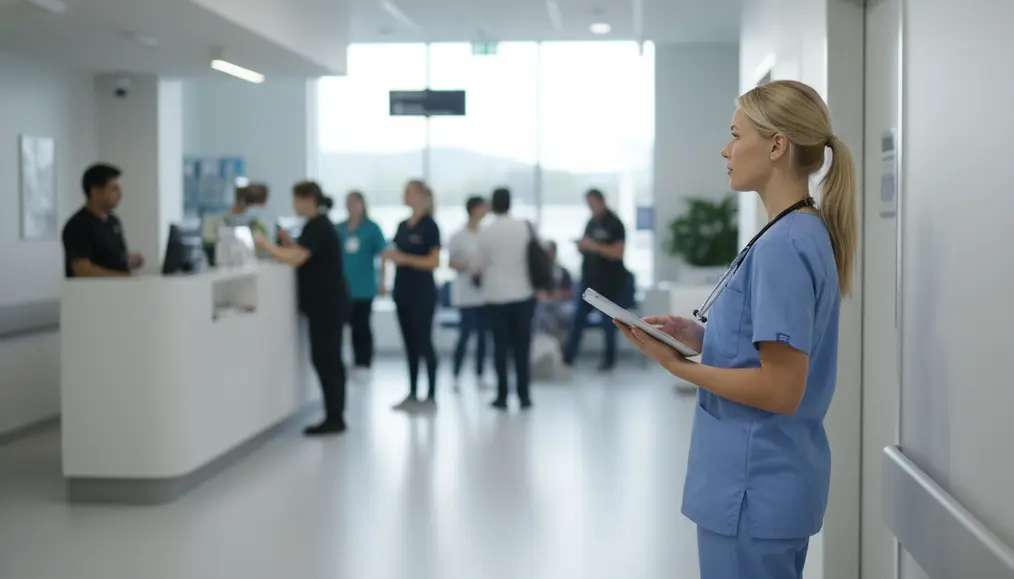
New Zealand's healthcare system is renowned for its commitment to equitable access and quality care. However, it's also grappling with realities that demand innovative solutions. Staff shortages, an increasing prevalence of chronic diseases, and budgetary constraints mean that healthcare providers must do more with less. This is where healthcare automation steps in as a critical enabler for digital transformation healthcare. It offers a pathway to not just maintain, but significantly elevate the standard of patient care NZ while optimising resource utilisation.
The demand for healthcare services continues to climb. From the simplest appointment booking to complex diagnostic procedures, every step in the patient journey involves a multitude of administrative and clinical processes. Without automation, these processes can become slow, prone to human error, and create unnecessary stress for both patients and staff. Implementing intelligent workflow automation can alleviate these pressures, ensuring that every touchpoint in the healthcare system is efficient and effective.
Addressing Administrative Bottlenecks with Workflow Automation
One of the most immediate and impactful applications of healthcare automation is in tackling the pervasive administrative burden. Healthcare staff, from doctors and nurses to administrative support, spend a significant portion of their day on tasks that could easily be automated. This includes appointment scheduling, patient registration, insurance verification, billing processes, and managing patient records. Such tasks, while essential, detract from time that could be spent on direct patient interaction or more complex clinical duties.
By implementing sophisticated service management automation tools, New Zealand hospitals and clinics can dramatically improve efficiency. For example, automated scheduling systems can manage appointments, send reminders, and even rebook missed slots, all without human intervention. Electronic health records (EHRs) integrated with automated systems ensure that patient information is readily available, up-to-date, and secure, significantly reducing administrative burden in NZ hospitals. This not only frees up staff but also reduces the potential for errors, leading to better continuity of care and improved patient safety. Bornneo.Lab specializes in developing custom development services for bespoke automation needs to fit these unique requirements.
Enhancing the Patient Journey Optimization Through Technology
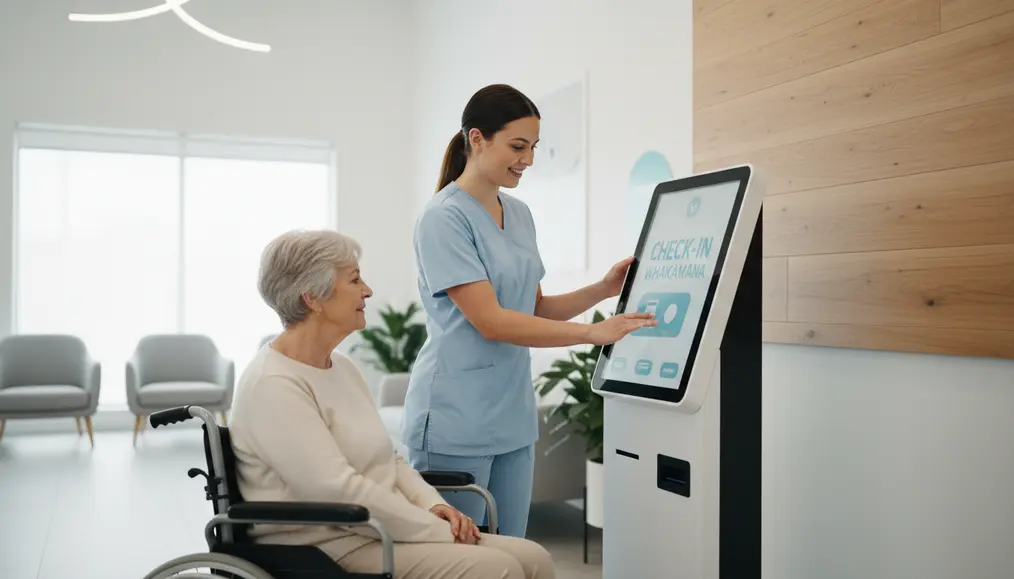
Ultimately, the goal of any healthcare improvement initiative is to enhance the patient experience and outcomes. Healthcare automation plays a pivotal role in achieving true patient journey optimization. From the moment a patient considers seeking care to their follow-up after treatment, automation can make every step smoother, more transparent, and more personalised.
Consider the process of accessing medical information or receiving test results. Manual processes can involve phone calls, waiting periods, and even physical visits. Automated portals and communication systems, however, allow patients to securely access their records, view test results, request repeat prescriptions, and communicate with their care team at their convenience. This level of accessibility empowers patients, making them more engaged in their own health management and contributing to overall improve patient care New Zealand. Furthermore, advanced data automation ensures that patient data is accurately captured and updated across all systems, forming the backbone of modern business intelligence in healthcare.
The Role of Telehealth Solutions NZ in Modernizing Access
The rise of telehealth has been transformative, particularly for regions with dispersed populations, like many parts of New Zealand. Telehealth solutions NZ, underpinned by robust healthcare automation, expand access to care beyond geographical barriers. Virtual consultations, remote monitoring of chronic conditions, and digital prescription services are becoming increasingly common.
Automation facilitates telehealth by managing virtual waiting rooms, scheduling remote appointments, integrating patient data from wearable devices, and processing virtual visit claims. This not only makes healthcare more accessible but also significantly contributes to how automation improves patient outcomes in NZ by enabling timely interventions and continuous monitoring, especially for those in rural or remote communities. The convenience and efficiency offered by automated telehealth platforms represent a major leap forward in modernising NZ healthcare delivery.
Driving Healthcare Efficiency NZ with Integrated Systems

Achieving true healthcare efficiency NZ requires more than just automating individual tasks; it demands the integration of various systems that historically operated in silos. When different departments—from admissions and emergency to laboratories and pharmacies—can seamlessly share information and coordinate activities, the entire operational flow improves. This interconnectedness is crucial for reducing delays, eliminating redundant data entry, and providing a holistic view of each patient's care journey.
At the core of this integration are advanced health information systems. These systems, when empowered by service management automation, become powerful tools for managing patient demographics, medical history, diagnoses, medications, and treatments across the entire continuum of care. The ability to pull relevant data from various sources and present it in a unified format allows healthcare providers to make more informed decisions rapidly, leading to significant healthcare efficiency gains.
Streamlining Clinical Workflow Automation for Better Outcomes
Beyond administrative tasks, clinical workflow automation directly impacts the delivery of medical care. This can include automated ordering of lab tests based on specific diagnostic criteria, system-generated alerts for critical patient conditions, automated medication dispensing, and intelligent scheduling for operating theatres and specialist consultations. Such automation reduces the cognitive load on clinical staff, allowing them to focus their expertise where it is most needed.
For instance, an automated system can flag potential drug interactions, remind staff of follow-up protocols for specific conditions, or even assist with resource allocation healthcare by optimising bed management or staff rostering based on real-time patient loads and availability. By minimising manual steps and human error in these critical processes, clinical workflow automation directly enhances patient safety and improves the overall quality of care, marking a significant step in the digital transformation healthcare journey.
Safeguarding Data and Improving Insights with Health Tech

With the increasing digitisation of healthcare, the security and privacy of patient data become paramount. Healthcare data security is a non-negotiable aspect of any health tech implementation. Automated systems, when designed and implemented correctly, can offer superior data protection compared to manual methods. They can enforce strict access controls, track data usage, and ensure compliance with national and international privacy regulations, such as those governing personal health information in New Zealand.
Beyond security, automation unlocks the power of data for actionable insights. By collecting and processing vast amounts of patient data, clinical records, and operational metrics, healthcare automation systems can feed into advanced analytics platforms. This allows for the application of techniques like predictive analytics health. For example, predictive models can identify patients at high risk of developing certain conditions, anticipate surges in demand for specific services, or forecast equipment maintenance needs. This proactive approach supports preventative care and strategic planning, leading to more resilient and responsive healthcare systems.
Leveraging NZ Health Tech for Strategic Decision-Making
The insights generated through automated data collection and analysis are invaluable for shaping the NZ health tech landscape and informing a robust digital health strategy NZ. Healthcare leaders and policymakers can use this data to identify trends, evaluate the effectiveness of interventions, optimise resource allocation across regions, and pinpoint areas for further improvement. This data-driven approach moves healthcare management from reactive problem-solving to proactive strategic planning.
For example, analysing patient flow data can reveal bottlenecks in emergency departments, while tracking chronic disease management outcomes can inform public health campaigns. Bornneo.Lab helps organisations implement data analytics solutions that turn raw healthcare data into profit for businesses and improved outcomes for patients. The ability to quickly gather and interpret comprehensive data is fundamental for building a healthcare system that is not only efficient but also continually learning and adapting to the evolving needs of the New Zealand population. This is a crucial element in realising the full benefits of healthcare automation for New Zealand.
Key Areas for Healthcare Automation Solutions in NZ
The scope for healthcare automation solutions in New Zealand is vast and touches almost every aspect of healthcare delivery. Here are some of the key areas where automation can make a significant difference:
- Patient Registration and Intake: Automating the collection of patient demographics, medical history, and insurance information significantly speeds up the intake process, reduces errors, and improves the initial patient experience.
- Appointment Scheduling and Management: Intelligent systems can manage complex appointment schedules, send automated reminders, handle cancellations, and even optimise clinic diaries based on patient and clinician availability.
- Electronic Health Records (EHR) Management: Automation ensures seamless data entry, updates, and retrieval within EHR systems, enhancing accuracy and accessibility across the care continuum.
- Revenue Cycle Management: Automating billing, claims processing, and payment collection reduces administrative overheads, minimises claim denials, and improves financial health for healthcare providers.
- Inventory and Supply Chain Management: Automated systems can track medical supplies, manage stock levels, trigger reorders, and ensure that critical equipment is always available, preventing shortages and waste.
- Remote Patient Monitoring: Integration with wearable devices and home monitoring equipment allows for automated data collection and alerts for vital signs, supporting proactive management of chronic conditions.
- Compliance and Reporting: Automated tools can help healthcare organisations stay compliant with regulatory requirements by generating accurate reports and tracking mandatory training or certifications.
These applications demonstrate how automation for hospitals NZ and other healthcare facilities can lead to tangible improvements in operational efficiency and, critically, in the quality and timeliness of patient care NZ.
Overcoming Implementation Challenges for Digital Health Solutions in NZ
While the benefits of healthcare automation for New Zealand are clear, the path to implementation is not without its challenges. Successfully implementing digital health solutions in NZ requires careful planning, strategic investment, and a commitment to change management. Common hurdles include initial capital outlay, the complexity of integrating legacy systems, and the need for comprehensive staff training.
Data integration is often a major concern, as healthcare organisations typically operate with various disparate systems that don't always communicate effectively. Bornneo.Lab leverages expertise in areas like Power Automate solutions to bridge these gaps, ensuring seamless data flow. Furthermore, ensuring that healthcare staff are comfortable and proficient with new automated tools is vital. Adequate training and ongoing support are crucial to foster adoption and maximise the benefits of new systems. Addressing these challenges proactively, with the guidance of experienced automation specialists, is key to a smooth and successful transition. A well-thought-out digital health strategy NZ, focusing on incremental implementation and clear communication, can mitigate many of these obstacles.
The Future of Healthcare Technology in New Zealand
The trajectory of healthcare automation in New Zealand points towards an increasingly intelligent and interconnected future. As technology continues to evolve, we can expect to see even more sophisticated applications of artificial intelligence (AI), machine learning, and advanced robotics integrated into healthcare workflows. These innovations will further refine patient journey optimization and create even greater healthcare efficiency gains.
AI-driven diagnostics, personalised treatment plans based on genetic data, and robotic assistance in surgeries are no longer the stuff of science fiction. The future of healthcare technology in New Zealand will undoubtedly be shaped by these advancements, with service management automation acting as the foundational layer that enables their effective deployment. Bornneo.Lab is committed to being at the forefront of this evolution, helping NZ healthcare organisations harness the power of these emerging technologies to deliver exceptional patient care NZ, ensuring that the benefits of healthcare automation for New Zealand are fully realised for generations to come. This ongoing evolution will also see increasing reliance on intelligent automation solutions to meet complex demands.
Why choose Bornneo.Lab for Service management automation?
- 🌟 Client-focused delivery with clear scope, timelines, and measurable outcomes aligned to your business goals.
- 🧩 End-to-end support from discovery and strategy to implementation, documentation, and handover.
- 📌 Practical solutions built to fit your existing stack and team workflow—no unnecessary complexity.
Conversion-Driven Design
We design digital experiences with a clear purpose. Every layout, interaction, and call-to-action is strategically crafted to guide users toward meaningful conversions—whether that means leads, sign-ups, or business inquiries.
Mobile-First & Responsive
With the majority of users accessing websites from mobile devices, we prioritize responsiveness from day one. Our solutions adapt seamlessly across screen sizes while maintaining performance and usability.
SEO & Performance Optimized
We build with technical SEO, site speed, and performance best practices in mind—helping your website earn visibility, trust, and sustainable organic growth.
Bornneo.Lab Client Testimonials
★★★★★ – Sarah K.: "Bornneo.Lab truly transformed our administrative processes. Their service management automation expertise has freed up so much time for our team, allowing us to focus more on our core mission."
★★★★★ – David L.: "We were looking for specific healthcare automation solutions, and Bornneo.Lab delivered beyond our expectations. Their tailored approach to our patient care NZ needs was exceptional."
★★★★★ – Emily R.: "The team at Bornneo.Lab helped us implement new workflow automation that has dramatically improved our clinic's efficiency. They were incredibly collaborative and understood our unique challenges."
★★★★★ – Marcus P.: "Our transition to automated health information systems was seamless thanks to Bornneo.Lab. Their support in ensuring healthcare data security throughout the process gave us immense peace of mind."
★★★★★ – Jessica T.: "Bornneo.Lab’s insights into digital transformation healthcare were invaluable. They helped us develop a clear strategy and implement automation that is genuinely enhancing our patient journey optimization."
READ ALSO: Intelligent Automation Solutions: AI Meets Workflow
Frequently Asked Questions About Healthcare Automation in NZ
What exactly is healthcare automation?
Healthcare automation refers to the use of technology to perform tasks within healthcare operations that traditionally required human intervention. This can range from simple data entry and appointment scheduling to complex clinical decision support and resource allocation healthcare. The primary goal is to improve efficiency, reduce errors, and enhance patient care NZ.
How does service management automation benefit NZ hospitals specifically?
For NZ hospitals, service management automation leads to significant improvements in operational efficiency. It helps in reducing administrative burden in NZ hospitals, optimising patient flow, streamlining billing, and improving resource utilisation. This frees up staff to focus on critical clinical duties, ultimately enhancing the quality and speed of patient care NZ.
Is healthcare data security a concern with automation?
Healthcare data security is a paramount concern, and well-implemented healthcare automation solutions are designed with robust security features. They enforce stringent access controls, employ encryption, and comply with privacy regulations to protect sensitive patient information. Automation can actually enhance security by reducing human error in data handling and providing better audit trails.
What are some common challenges when implementing digital health solutions in NZ?
Common challenges when implementing digital health solutions in NZ include integrating new systems with existing legacy infrastructure, managing the initial investment costs, ensuring adequate staff training and adoption, and navigating regulatory compliance. Overcoming these requires careful planning, a clear digital health strategy NZ, and experienced implementation partners like Bornneo.Lab.
How can automation improve patient outcomes in NZ?
Automation improves patient outcomes in NZ by reducing wait times, minimising administrative errors, ensuring timely access to information, enabling more personalised care, and supporting proactive health management through systems like telehealth solutions NZ and predictive analytics health. This leads to faster diagnoses, more effective treatments, and better overall patient experiences.
What role does Bornneo.Lab play in healthcare automation for NZ?
Bornneo.Lab acts as a trusted partner for NZ healthcare organisations, providing end-to-end support for healthcare automation solutions. We specialise in designing, developing, and implementing tailored service management automation strategies that align with specific organisational goals, ensuring successful digital transformation healthcare and sustainable improvements in patient care NZ.
Contact Us
Ready to move forward with clarity and confidence? Get direct insights and tailored recommendations by speaking with our team.
Disclaimer: The information provided in this article by Bornneo.Lab is intended for general informational purposes only and does not constitute medical, legal, or professional advice. While we strive to provide accurate and up-to-date content, readers should consult with qualified experts for specific advice related to their individual circumstances or healthcare needs. Bornneo.Lab is not responsible for any actions taken based on the information presented herein.
```