

Navigating the complex landscape of online retail in Australia requires strategic decisions, especially when it comes to your core eCommerce platforms. For many AU retailers, the choice between headless commerce and traditional commerce is a pivotal one, shaping everything from customer experience to operational efficiency. Are you grappling with the limitations of your current setup, or perhaps exploring how to achieve a truly unique digital storefront?
This isn't just a technical debate; it's about future-proofing your business and ensuring you can adapt swiftly to market demands. Understanding the nuances of each approach is crucial for any Australian retail business looking to thrive in an increasingly competitive online environment. We'll delve into the fundamental differences, examine the advantages and disadvantages, and help you determine if an investment in Headless Commerce Australia is the right move for your enterprise.
Ultimately, the goal is to equip you with the knowledge to make an informed decision that drives growth, enhances flexibility, and delivers an unparalleled experience to your customers. Let's explore which architecture is best poised to support your ambitions in the dynamic world of digital commerce.
READ ALSO: Meeting the Digital Service Standard: Web Dev for AU Government
Understanding the Core Differences: Headless vs. Traditional eCommerce
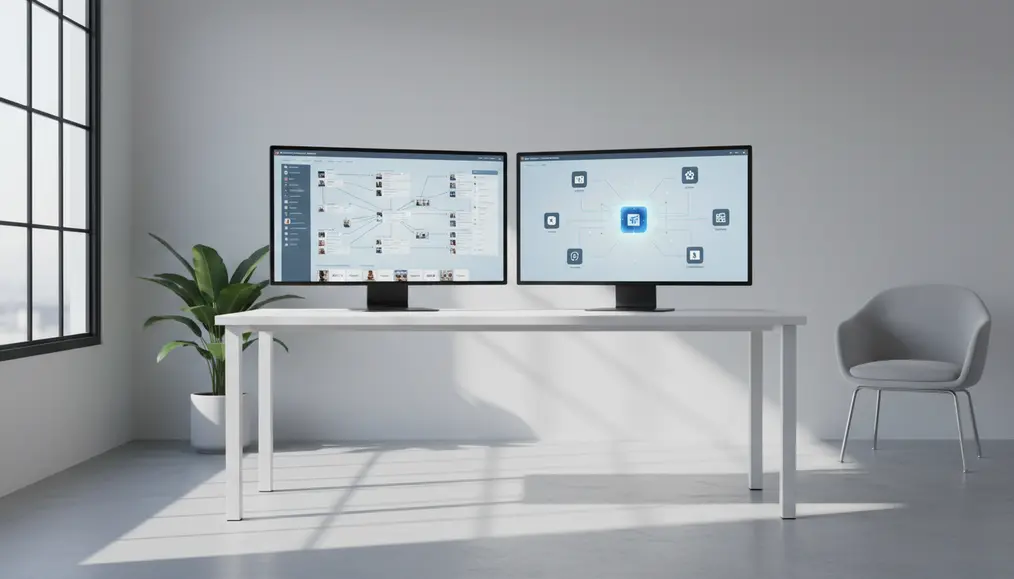
Before we weigh the pros and cons for AU retailers, it's essential to grasp the fundamental distinction between headless commerce and traditional commerce. This comparison forms the bedrock of our discussion on eCommerce architecture.
Traditional Commerce Explained
In a traditional commerce setup, the frontend (what customers see and interact with) and the backend (where products, orders, and customer data are managed) are tightly coupled. Think of platforms like Shopify, Magento (pre-Adobe Commerce Cloud), or WooCommerce out-of-the-box. These systems offer an all-in-one solution, providing a visual interface for customers, a content management system (CMS), a checkout process, and backend order fulfilment tools—all bundled together. While convenient and often quicker to set up initially, this tight integration can lead to certain traditional commerce disadvantages when it comes to extreme customisation or integrating with disparate systems.
Headless Commerce Explained
Headless commerce, conversely, separates the frontend from the backend. The "head" (the customer-facing presentation layer, like a website, mobile app, or IoT device) is decoupled from the "body" (the backend eCommerce platform that handles core functionalities like product information management, pricing, and order processing). Communication between these layers happens via APIs (Application Programming Interfaces). This frontend separation and backend separation allow for incredible flexibility. For businesses engaging in digital transformation, this separation means they can build any kind of frontend experience they desire, powered by a robust backend. This leads to an API-driven commerce model, often leveraging microservices for greater agility.
Why Australian Retailers Are Considering a Shift

The landscape of Australian retail is dynamic, with consumers expecting seamless, personalised, and fast experiences across multiple touchpoints. This expectation is a major driver behind the growing interest in Headless Commerce Australia.
The Push for Enhanced Customer Experience
Modern consumers demand more than just a functional online store. They expect fast loading times, intuitive navigation, personalised content, and consistent experiences across web, mobile apps, and even in-store digital kiosks. A truly enhanced customer experience is often difficult to achieve with the rigid templates and inherent limitations of many traditional commerce platforms. Headless commerce provides the architectural freedom to design and implement these bespoke experiences without being constrained by the backend system.
Addressing Traditional eCommerce Limitations Australia
Many AU retailers operating on older or less flexible eCommerce platforms find themselves facing significant challenges. These can include slow site performance, difficulty in integrating new technologies (like AR/VR or advanced personalisation engines), and an inability to quickly adapt to new marketing channels. These are classic traditional eCommerce limitations Australia-based businesses frequently encounter. The "one-size-fits-all" approach of tightly coupled systems often restricts innovation and agility, making it harder to stand out in a crowded market.
Digital Transformation Imperatives
For many businesses, the shift to headless commerce is part of a broader digital transformation strategy. It’s about more than just selling products online; it's about integrating various digital touchpoints, leveraging data, and creating a cohesive digital ecosystem. This often involves developing custom logistics software for efficient supply chains or building secure patient portals in other sectors, as seen with some of Bornneo.Lab's work in optimising supply chains with custom logistics software in Australia or building secure patient portals for AU healthcare. Headless architecture supports this by providing the flexibility to connect different systems via APIs, enabling a truly integrated digital presence and facilitating an ambitious omnichannel strategy.
Deep Dive into Traditional eCommerce Platforms
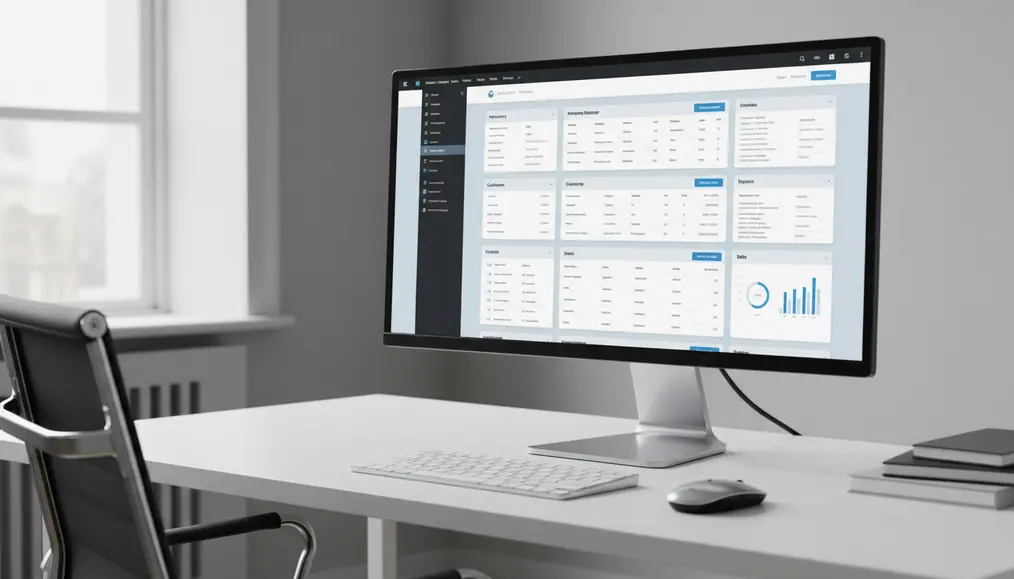
While headless commerce is gaining traction, traditional commerce platforms still hold a significant market share and offer compelling advantages for certain types of AU retailers.
Advantages of Traditional Commerce
- Ease of Setup and Use: For businesses new to online selling or those with limited technical resources, traditional commerce platforms are often quicker to launch. They come with pre-built templates, integrated hosting, and a user-friendly admin interface. This makes them accessible for small businesses Australia-wide.
- Lower Initial Investment: Generally, the upfront costs for a traditional eCommerce platform are lower, as you're leveraging an existing, complete solution. This can be particularly appealing for startups or businesses with tighter budgets who want to focus on core operations rather than complex development projects.
- All-in-One Solution: Everything you need to run an online store—product management, payments, shipping, basic analytics—is typically included. This consolidated approach simplifies management and reduces the need for multiple third-party integrations, which can become a traditional eCommerce limitation Australia businesses might face if they need too many custom connections.
- Community Support: Popular eCommerce platforms like Shopify or WooCommerce boast large communities, offering extensive documentation, forums, and a vast ecosystem of plugins and themes.
Traditional Commerce Disadvantages
- Limited Customisation: The biggest drawback is often the lack of flexibility. While themes offer some branding options, truly unique designs or complex interactive features are difficult, if not impossible, to implement without significant workarounds. This can hinder a unique customer experience.
- Scalability Concerns: As a business grows, traditional commerce platforms can sometimes struggle with performance, especially during peak traffic. Adding highly specific functionalities or handling large, complex product catalogs can become cumbersome.
- Vendor Lock-in: You are largely dependent on the platform provider's roadmap and features. Migrating data or changing platforms later can be a significant undertaking, leading to considerable cost of headless commerce vs traditional eCommerce debates if a change is needed down the line.
- Performance Issues: Tightly coupled systems can sometimes be slower, impacting SEO (e.g., Core Web Vitals, which are crucial for SEO for professional services in AU) and user experience.
Exploring the World of Headless Commerce

For many AU retailers, particularly those with specific needs for customisation, speed, and future growth, headless commerce offers a compelling alternative.
What is Headless Commerce?
As discussed, headless commerce decouples the frontend (the "head" – your website, mobile app, IoT device) from the backend (the "body" – the eCommerce platform's core functionalities). This means you can use any modern frontend framework (like React, Vue, or Next.js) to build your digital storefront, while the backend handles product data, inventory, payments, and other crucial operations, all communicating via APIs. This architectural approach is a fundamental component of modern retail technology.
Headless Commerce Advantages for AU Retailers
The shift to Headless Commerce Australia presents numerous headless commerce advantages:
- Unmatched Flexibility and Customisation: This is arguably the strongest argument. Headless commerce allows you to build completely bespoke digital experiences. Want a unique product configurator, an interactive editorial hub, or specific mobile gestures? You have the freedom to create it without being restricted by platform templates. This drives a superior customer experience.
- Enhanced Performance: By separating the frontend, developers can optimise it for speed and efficiency, leading to faster loading times and smoother interactions. This is critical for SEO and conversion rates.
- Omnichannel Readiness: API-driven commerce makes it incredibly easy to deliver content and products to multiple touchpoints—web, mobile apps, social media, smart devices, voice assistants, and even in-store digital displays—from a single backend. This empowers a robust omnichannel strategy.
- Future-Proofing and Agility: With a decoupled architecture, you can swap out frontend technologies or backend services independently. This makes your system adaptable to emerging technologies and changing market trends, ensuring you are always ready for the next evolution in retail technology. This is a significant factor in future-proofing retail operations.
- Improved Developer Experience: Developers can work with their preferred tools and frameworks, leading to more efficient development cycles and the ability to implement advanced features.
Headless Commerce Disadvantages
While the benefits of headless commerce for AU retailers are significant, there are also considerations:
- Higher Initial Investment and Complexity: Setting up a headless commerce system typically requires more development work and technical expertise. The cost of headless commerce vs traditional eCommerce often leans higher initially due to custom development, integrating multiple systems, and managing separate frontend and backend deployments.
- Increased Operational Overhead: Managing a decoupled system often means working with multiple vendors (e.g., a frontend CMS, an eCommerce backend, a payment gateway) and coordinating their integration. This requires more sophisticated technical management.
- Greater Technical Expertise Required: To successfully implement and maintain Headless Commerce Australia, businesses need access to experienced developers and a strong understanding of modern web development practices. This might necessitate partnering with a trusted web development agency like Bornneo.Lab.
Key Factors for Choosing the Right eCommerce Architecture
The decision between headless commerce and traditional commerce isn't one-size-fits-all. AU retailers need to consider several critical factors to choose the best eCommerce platform for Australia for their specific needs.
Scalability and Growth Potential
How much do you anticipate your business will grow in the next 3-5 years? If you expect rapid expansion, significant increases in product SKUs, international markets, or high traffic volumes, then the scalability benefits of headless commerce might be more appealing. Its modular nature allows for easier scaling of individual components without affecting the entire system. For larger enterprises, this capability is often non-negotiable for future-proofing retail operations. Our work in building digital solutions for Australia's mining & energy sector often involves robust, scalable architectures.
Customisation and Flexibility
Do you have a unique vision for your online store's appearance and functionality? Do you need to integrate with niche third-party systems or provide a highly interactive shopping experience? If so, the extensive customisation offered by an API-driven commerce approach, leveraging microservices and frontend separation, is likely to be your preference. Traditional commerce platforms, while offering some customisation through themes and plugins, will eventually hit a wall when faced with complex, innovative requirements.
Cost and Implementation
The cost of headless commerce vs traditional eCommerce is a significant factor. While traditional commerce typically has lower upfront costs and simpler maintenance, headless commerce involves a higher initial investment in development, integration, and potentially ongoing technical talent. However, this higher initial cost can pay off in the long run through greater agility, faster innovation, and reduced technical debt. Consider your budget and internal resources carefully when contemplating implementing headless commerce in Australia.
Team Expertise and Resources
Does your internal team possess the technical skills required to manage a complex headless commerce setup? Or will you rely on external partners? Headless commerce demands a strong grasp of modern web development, API management, and possibly multiple frontend frameworks. If your team is lean and less technically oriented, a traditional commerce platform might be a more manageable option. However, partnering with an experienced agency like Bornneo.Lab can bridge this skills gap, making Headless Commerce Australia accessible even for teams with fewer in-house technical resources.
Omnichannel Strategy Alignment
If your retail business aims for a comprehensive omnichannel strategy, delivering consistent experiences across web, mobile, in-store, and emerging channels, then headless commerce is inherently better suited. Its API-first nature allows you to power any "head" from a single backend, ensuring data consistency and streamlined content delivery across all touchpoints. This is crucial for brands seeking a holistic customer experience. For example, similar principles apply when considering PropTech trends for custom web portals in AU real estate or developing custom LMS for Australian schools, where multiple user interfaces might interact with a single backend data source.
Is Headless Commerce Right for Your Australian Business?
The question isn't whether headless commerce is "better," but rather which solution is "best" for your specific circumstances and goals as an AU retailer.
Scenarios Where Headless Shines
Headless commerce is particularly advantageous for:
- Large enterprises or fast-growing mid-market businesses that require extensive customisation and integration with complex internal systems.
- Brands prioritising an exceptional, highly personalised customer experience across multiple digital touchpoints (web, mobile app, IoT devices).
- Retailers with a strong in-house development team or a clear strategy to partner with experienced web developers for bespoke solutions.
- Businesses that need to iterate quickly on their frontend, experiment with new technologies, and maintain a competitive edge through innovation in retail technology.
- Any business focused on robust digital transformation and the ability to adapt to future market shifts, thereby truly future-proofing retail.
When Traditional Might Still Be Preferred
Conversely, traditional commerce platforms might be the better choice for:
- Startups or small businesses Australia-wide that need to launch quickly and cost-effectively, with standard functionality.
- Businesses with limited technical resources and a preference for an all-in-one, managed solution.
- Retailers whose online presence is relatively simple, requiring minimal customisation beyond standard branding.
- Organisations with a proven track record of success on their existing traditional eCommerce platform and no immediate pressure to adopt advanced digital experiences.
Ultimately, the decision should align with your business objectives, long-term growth strategy, and available resources. It’s about building an eCommerce architecture that supports your vision.
Bornneo.Lab's Role in Your eCommerce Journey
At Bornneo.Lab, we understand the complexities AU retailers face when choosing and implementing their eCommerce architecture. Whether you're considering a leap into Headless Commerce Australia or optimising your existing traditional commerce setup, our team provides experienced guidance and development expertise.
We specialise in crafting robust, scalable, and user-centric digital solutions tailored to your unique business needs. From initial strategy and design to development and ongoing support, we ensure your online presence is not just functional but a powerful growth engine. We can help you navigate the cost of headless commerce vs traditional eCommerce, provide insights on implementing headless commerce in Australia, and develop effective headless commerce solutions for small businesses Australia or large enterprises. We also champion principles of sustainable web design, ensuring your platform is efficient and environmentally conscious.
Why choose Bornneo.Lab for Headless Commerce Australia?
- 🌟 Client-focused delivery with clear scope, timelines, and measurable outcomes aligned to your business goals.
- 🧩 End-to-end support from discovery and strategy to implementation, documentation, and handover.
- 📌 Practical solutions built to fit your existing stack and team workflow—no unnecessary complexity.
Conversion-Driven Design
We design digital experiences with a clear purpose. Every layout, interaction, and call-to-action is strategically crafted to guide users toward meaningful conversions—whether that means leads, sign-ups, or business inquiries.
Mobile-First & Responsive
With the majority of users accessing websites from mobile devices, we prioritize responsiveness from day one. Our solutions adapt seamlessly across screen sizes while maintaining performance and usability.
SEO & Performance Optimized
We build with technical SEO, site speed, and performance best practices in mind—helping your website earn visibility, trust, and sustainable organic growth.
Bornneo.Lab Client Testimonials
★★★★★ – Sarah L.: Bornneo.Lab truly understood our vision for a unique online store. Their expertise in headless commerce was evident, delivering a platform that exceeded our expectations in flexibility and performance.
★★★★★ – Michael P.: We struggled with traditional eCommerce limitations Australia-wide. Bornneo.Lab guided us through a seamless transition, giving us the eCommerce architecture we needed to grow.
★★★★★ – Jessica R.: The team at Bornneo.Lab delivered an outstanding customer experience-focused website. Their deep knowledge of retail technology helped us achieve our digital transformation goals.
★★★★★ – David K.: Bornneo.Lab provided practical, tailored solutions. They helped us understand the benefits of headless commerce for AU retailers without overcomplicating things. Highly recommended!
★★★★★ – Emily T.: Choosing the best eCommerce platform for Australia was daunting, but Bornneo.Lab made it clear. They built a scalable solution that truly supports our omnichannel strategy.
READ ALSO: Digital Transformation for NFPs: Boosting Donations via Web UX
Frequently Asked Questions about Headless Commerce in Australia
Q: What are the main benefits of headless commerce for AU retailers?
A: The main benefits of headless commerce for AU retailers include unparalleled flexibility in design and user experience, enhanced site performance, easier implementation of an omnichannel strategy, and greater agility to adopt new technologies, effectively future-proofing retail operations. It helps overcome common traditional eCommerce limitations Australia-based businesses often face.
Q: Is headless commerce suitable for small businesses in Australia?
A: While historically associated with larger enterprises, headless commerce solutions for small businesses Australia are becoming more accessible. If a small business prioritises a unique customer experience, needs high customisation, or plans for rapid scalability benefits, it can be a viable option, especially with the right development partner to manage the initial complexity and cost of headless commerce vs traditional eCommerce.
Q: How does Bornneo.Lab assist with implementing headless commerce in Australia?
A: Bornneo.Lab provides end-to-end support for implementing headless commerce in Australia. This includes strategic consultation to determine if headless commerce aligns with your goals, architectural design, custom frontend development, backend integration using API-driven commerce, and ongoing support. We help bridge the technical gap to make advanced retail technology accessible.
Q: What are the key differences in investment between headless and traditional eCommerce?
A: The cost of headless commerce vs traditional eCommerce often involves a higher initial development investment for headless due to custom frontend work and integration of separate systems. Traditional commerce typically has lower upfront costs with an all-in-one solution. However, headless can offer long-term savings through greater flexibility, reduced technical debt, and enhanced ability to innovate and scale, leading to better ROI for certain businesses.
Q: Can headless commerce improve my site's SEO in Australia?
A: Yes, headless commerce can significantly improve SEO. By allowing for a highly optimised and performant frontend (due to frontend separation), it can lead to faster page load times, better Core Web Vitals, and a superior customer experience—all critical factors for search engine rankings in Australia. This is a key headless commerce advantage.
Contact Us
Ready to move forward with clarity and confidence? Get direct insights and tailored recommendations by speaking with our team.
Disclaimer: The information provided in this article is for general informational purposes only and does not constitute technical or business advice. While we strive to provide accurate and up-to-date content, the rapidly evolving nature of web development means that some information may become outdated. Readers are encouraged to consult with experienced professionals for advice tailored to their specific situations. Bornneo.Lab is not responsible for any actions taken based on the information presented in this article.